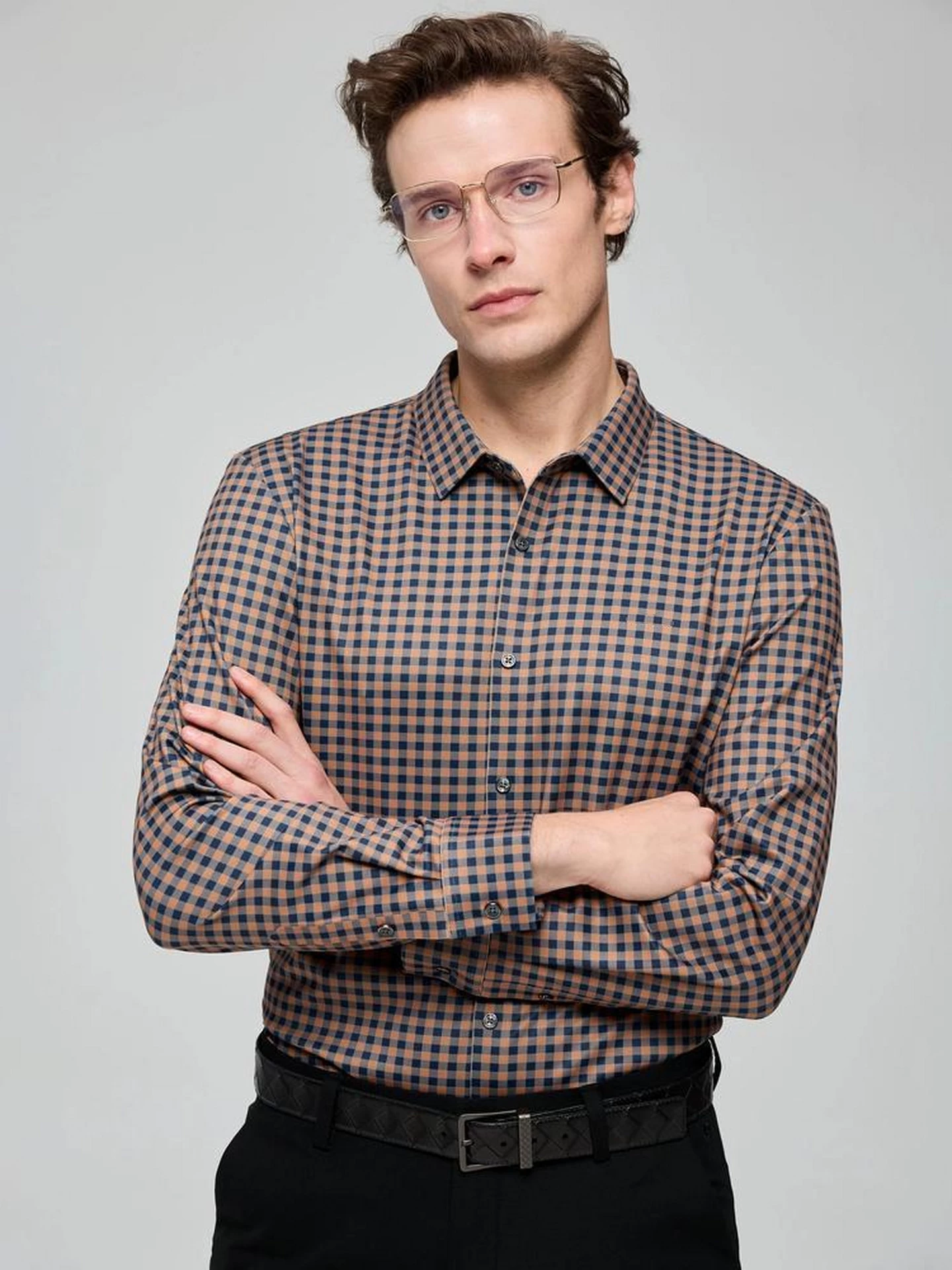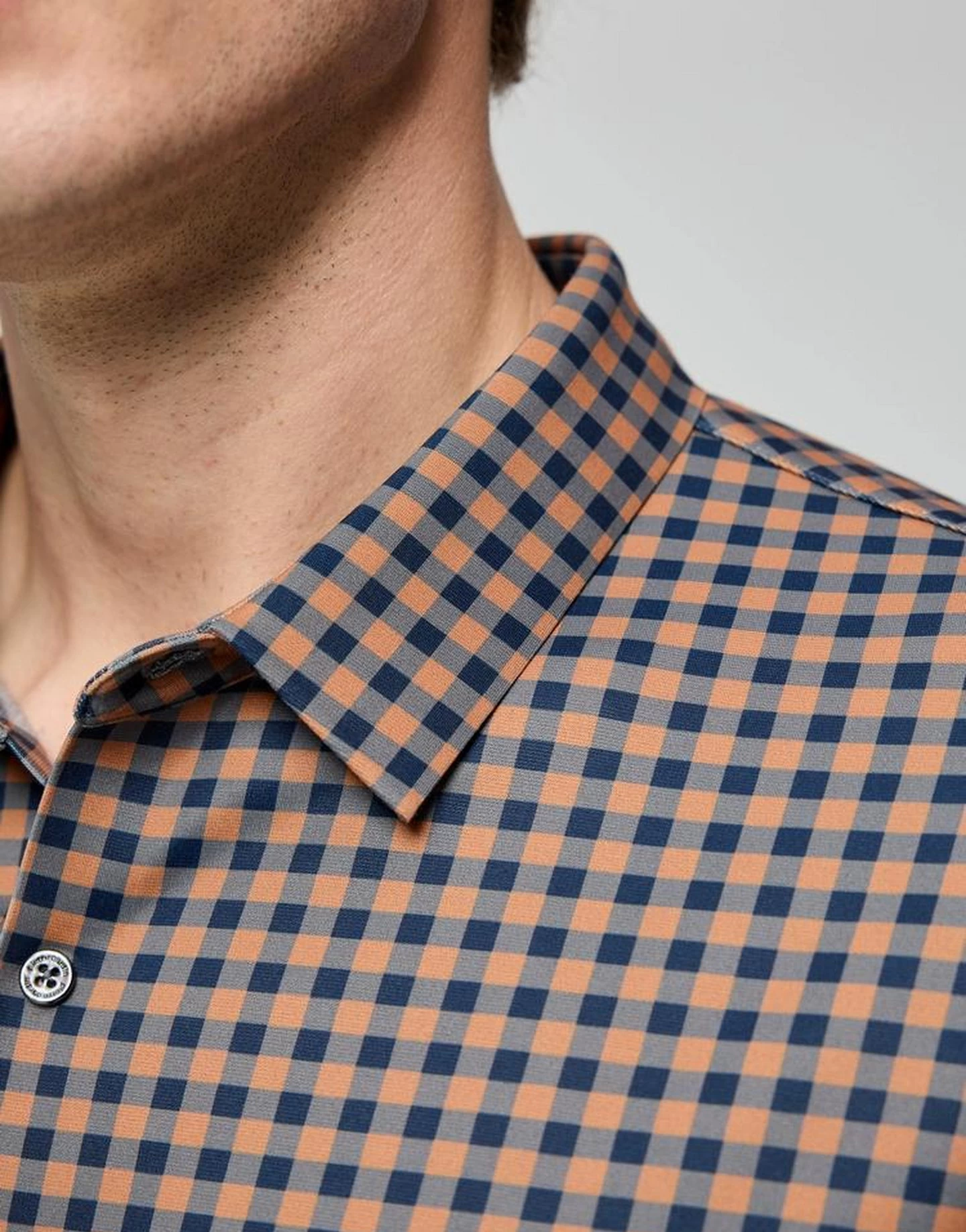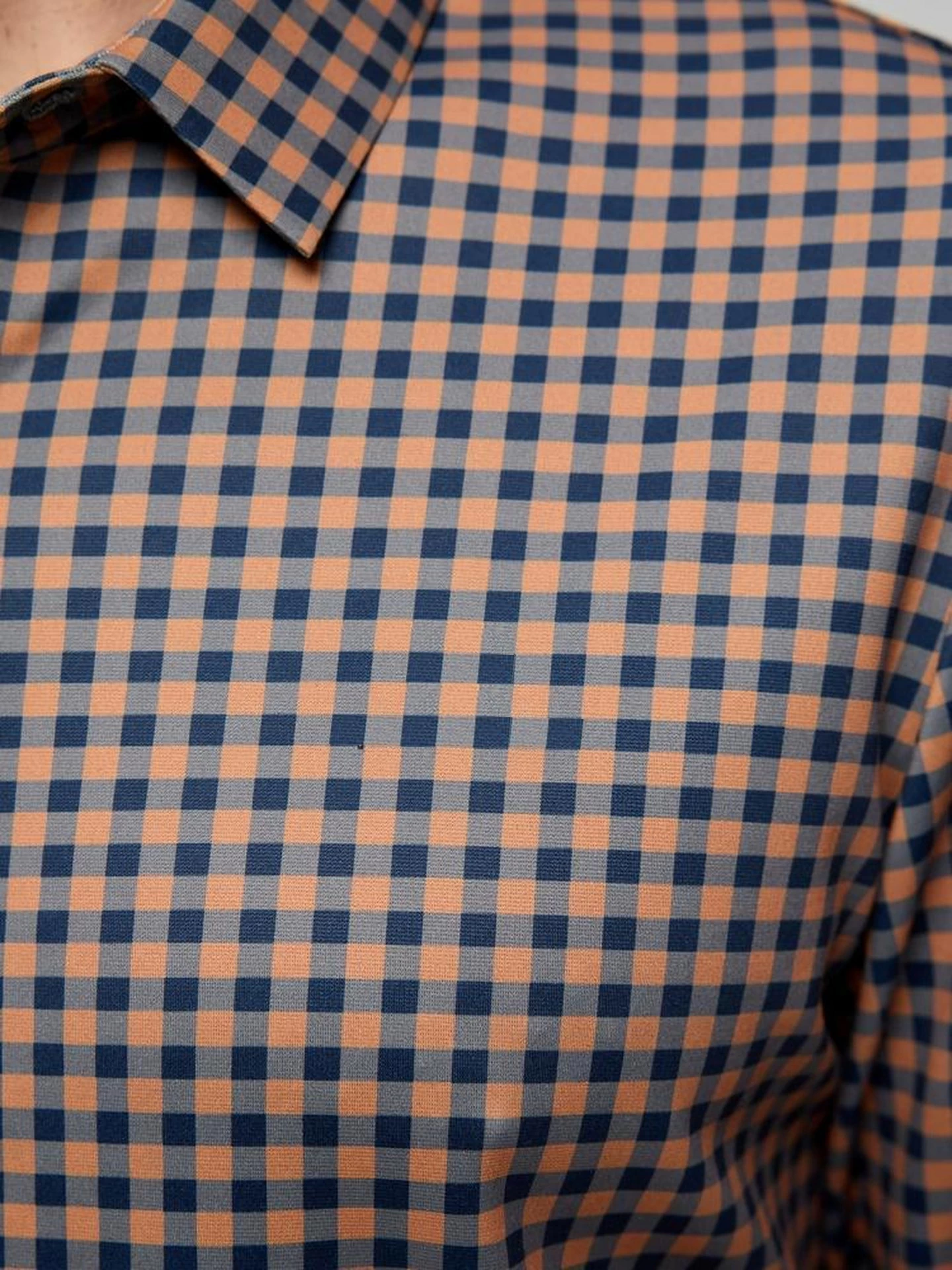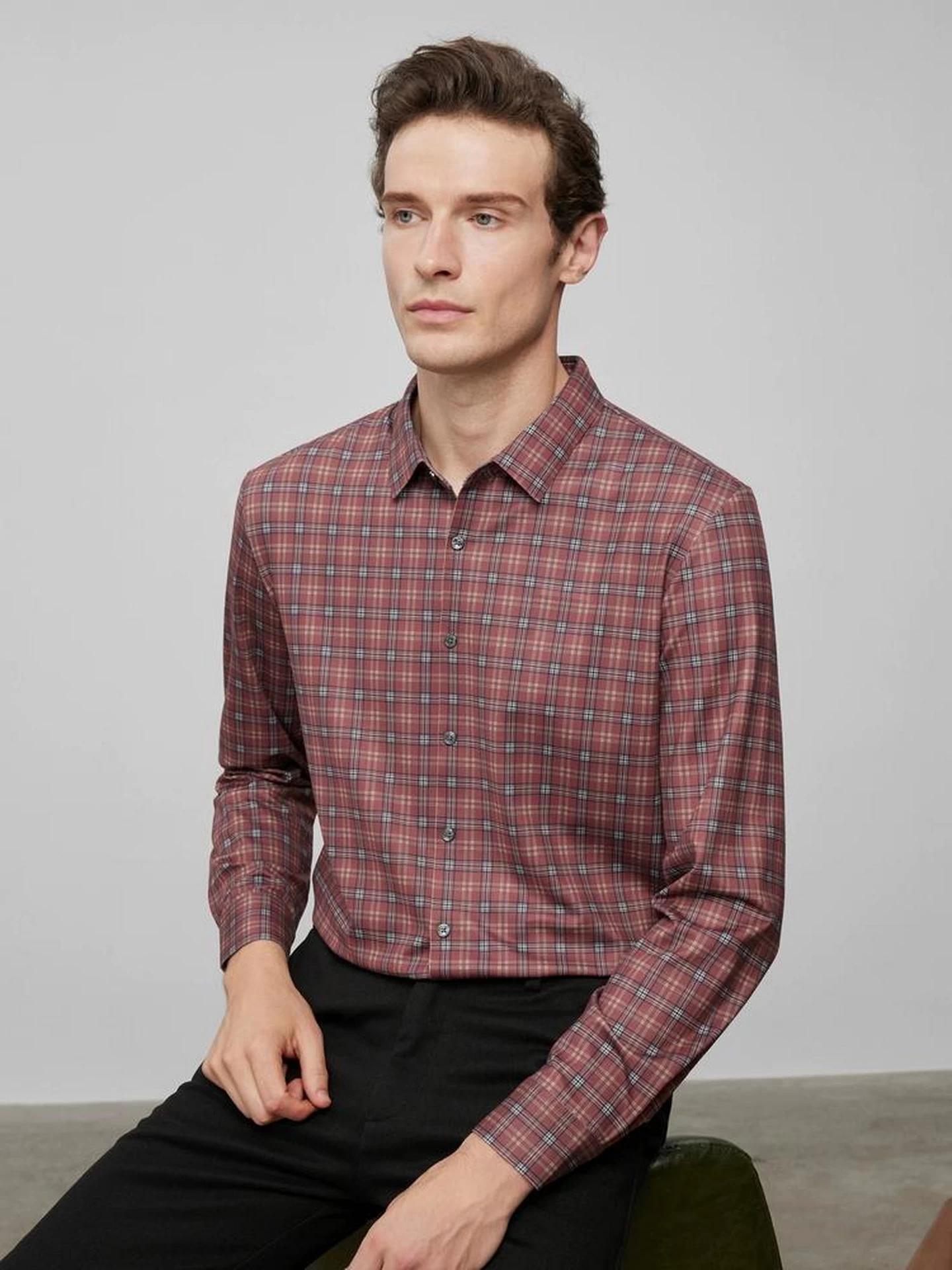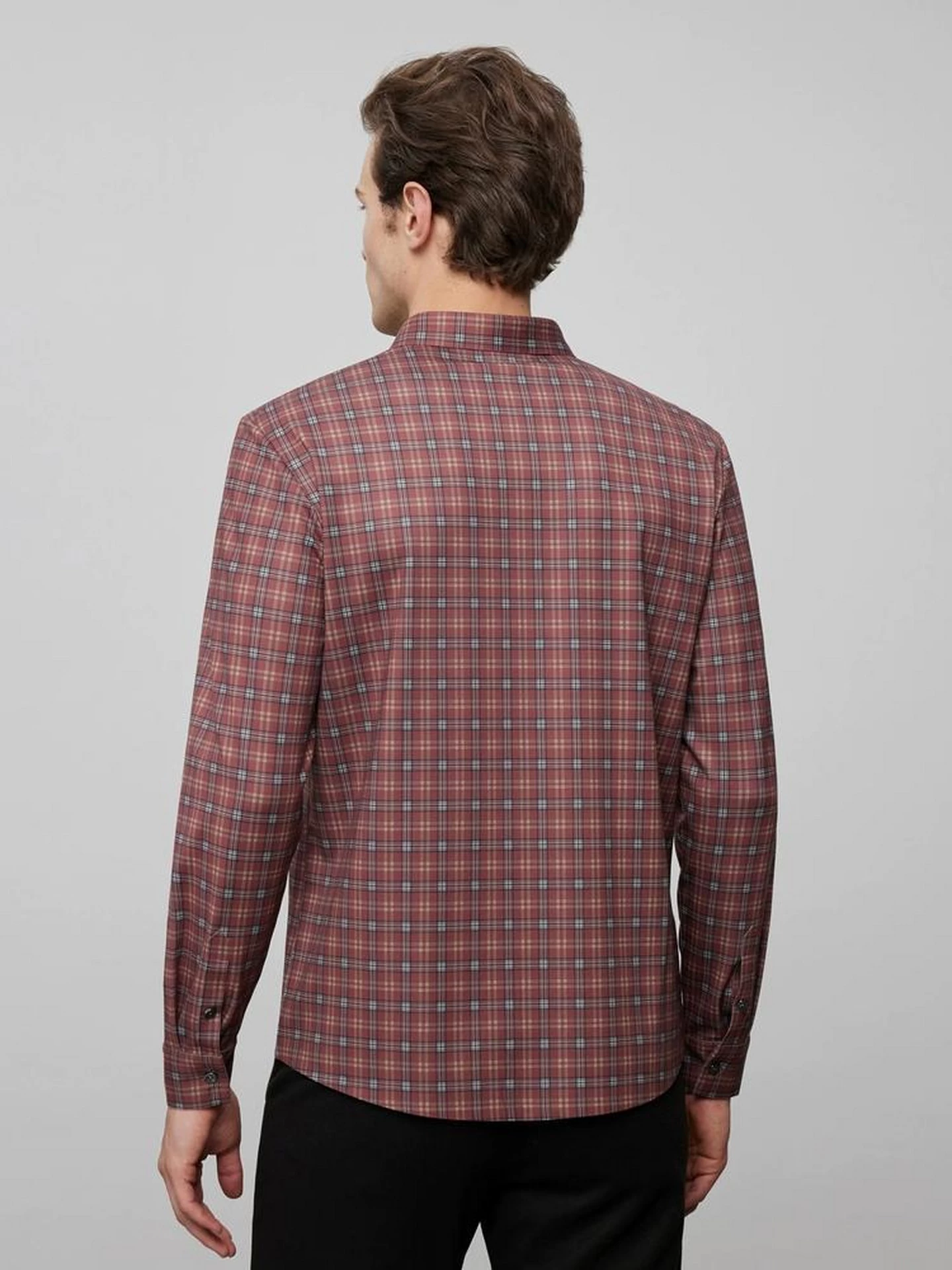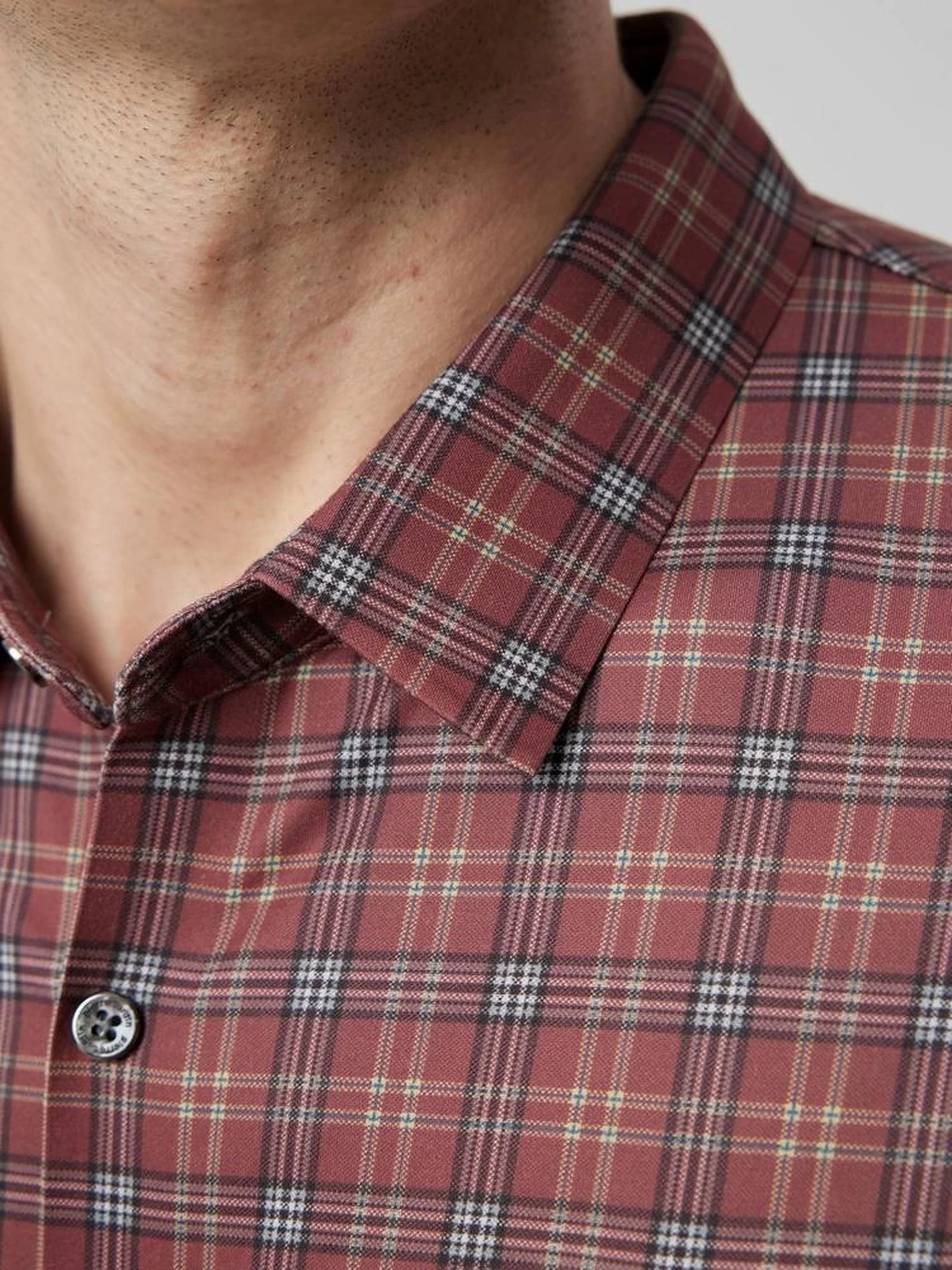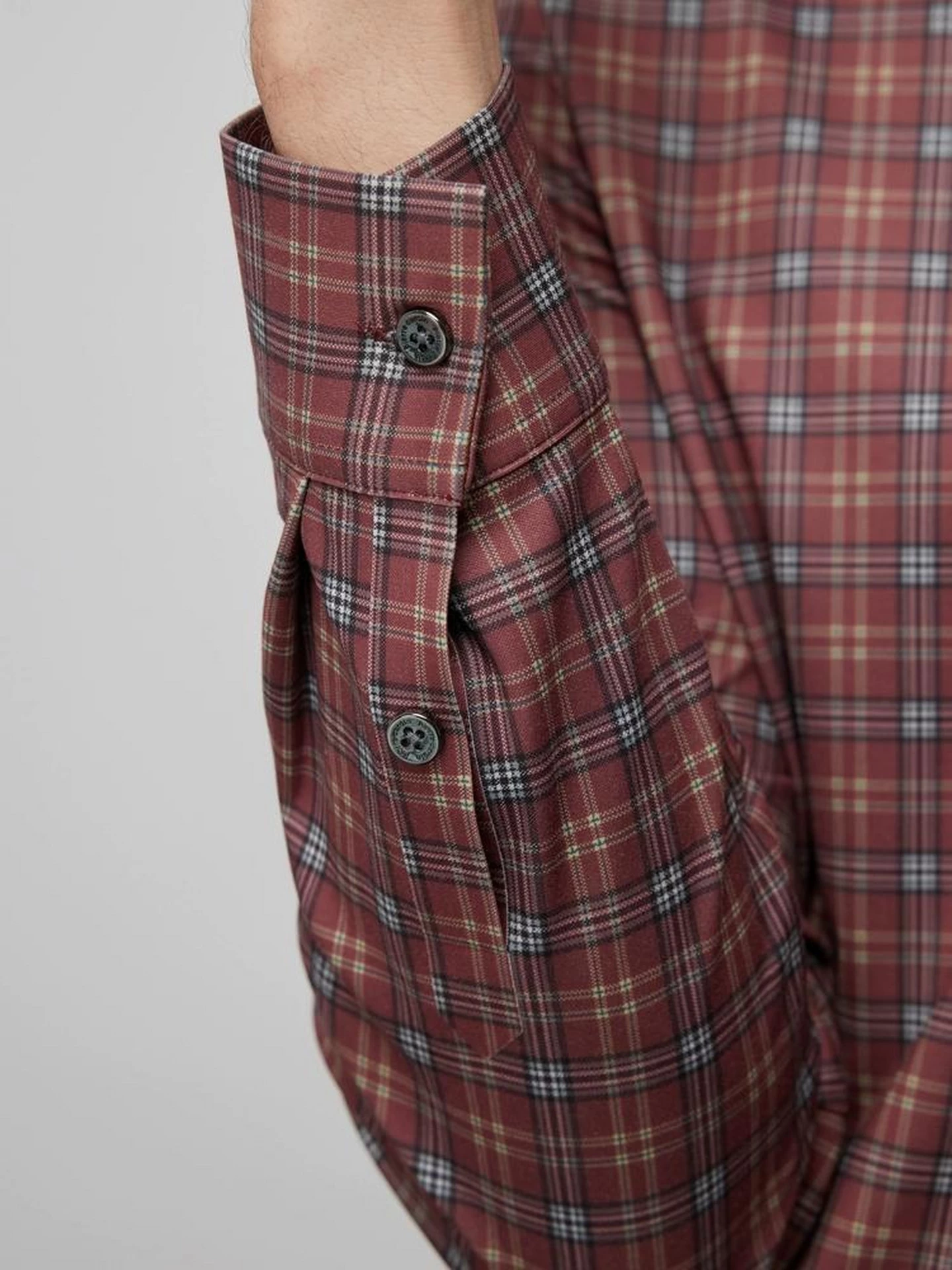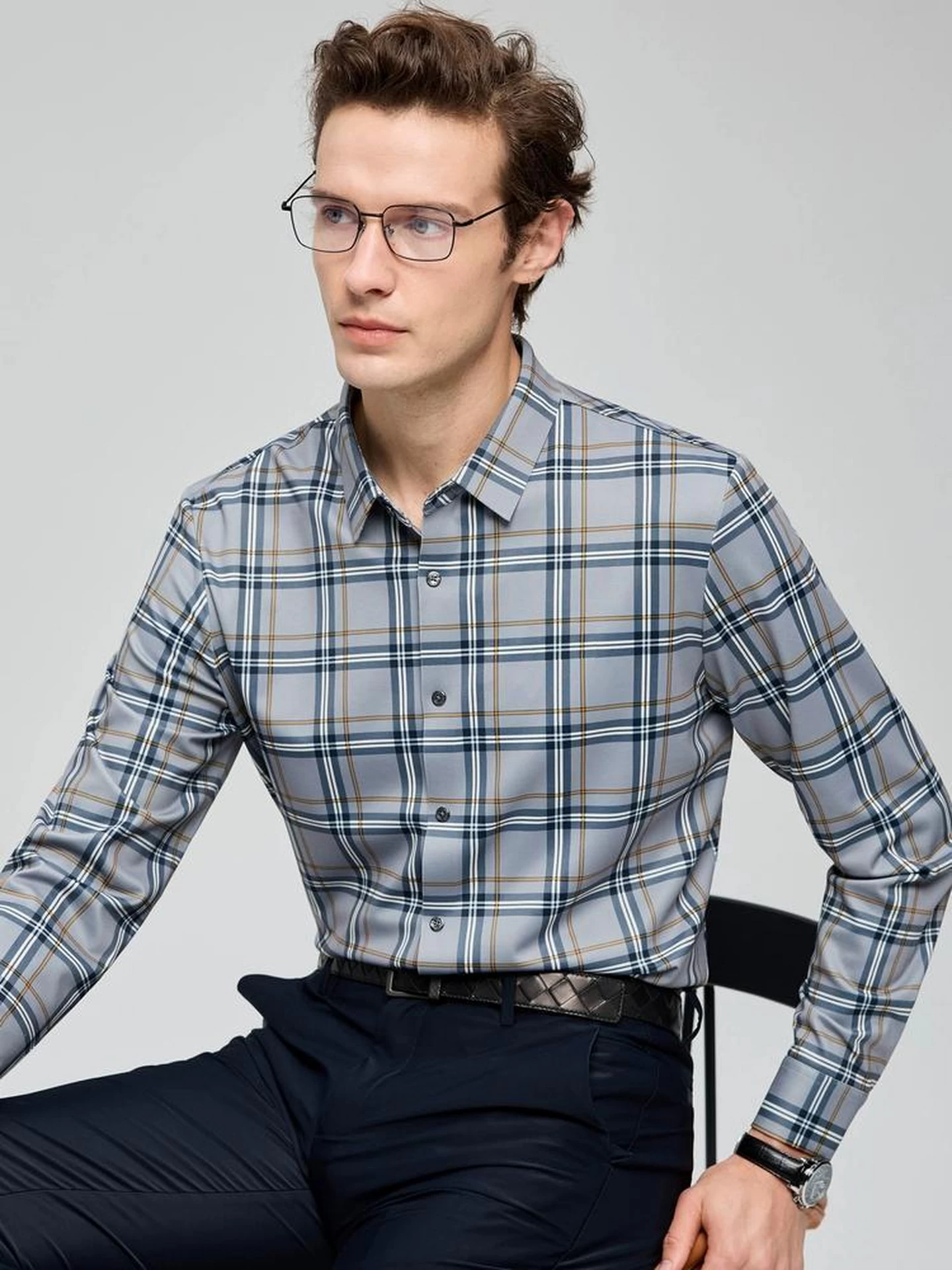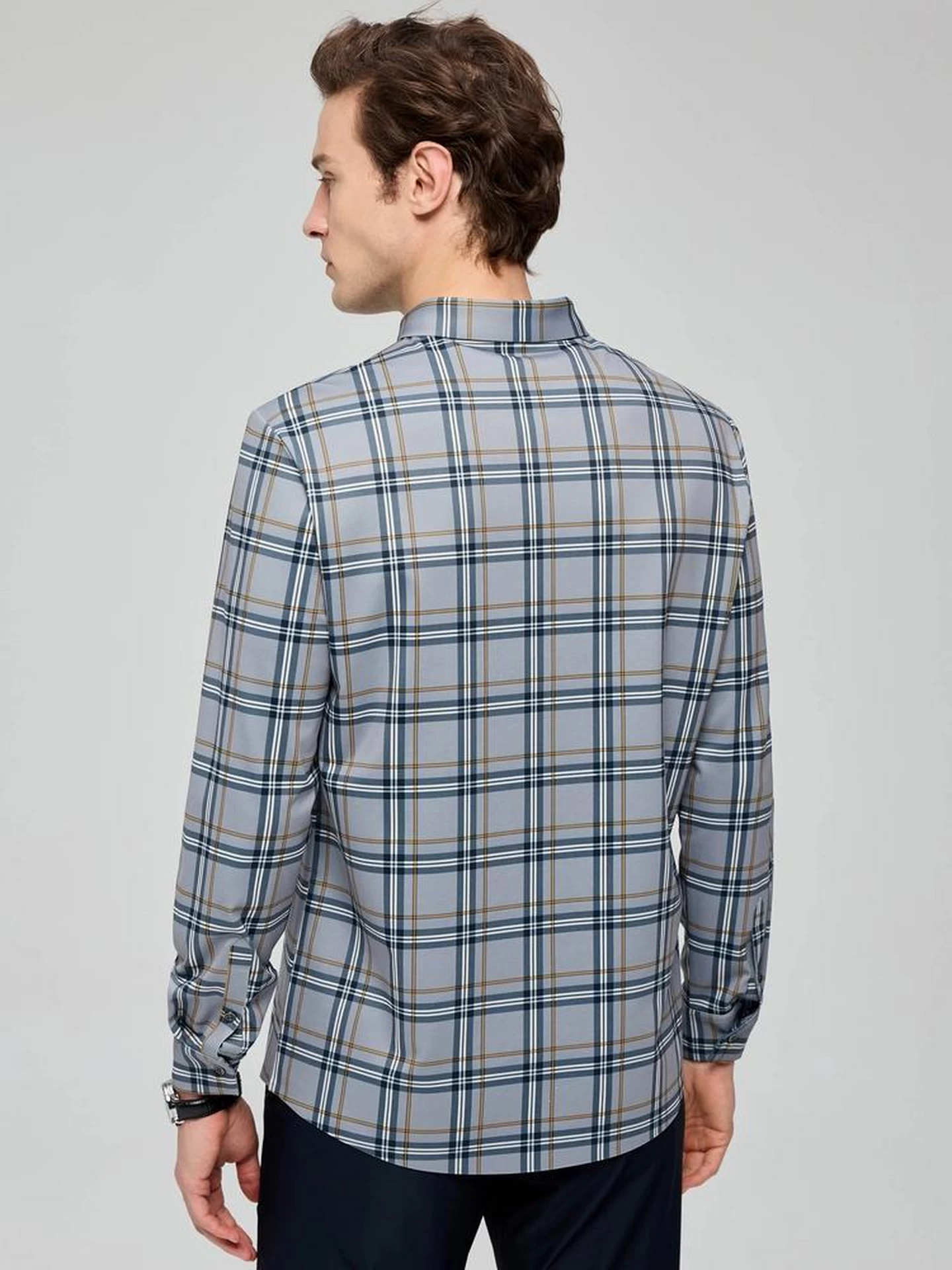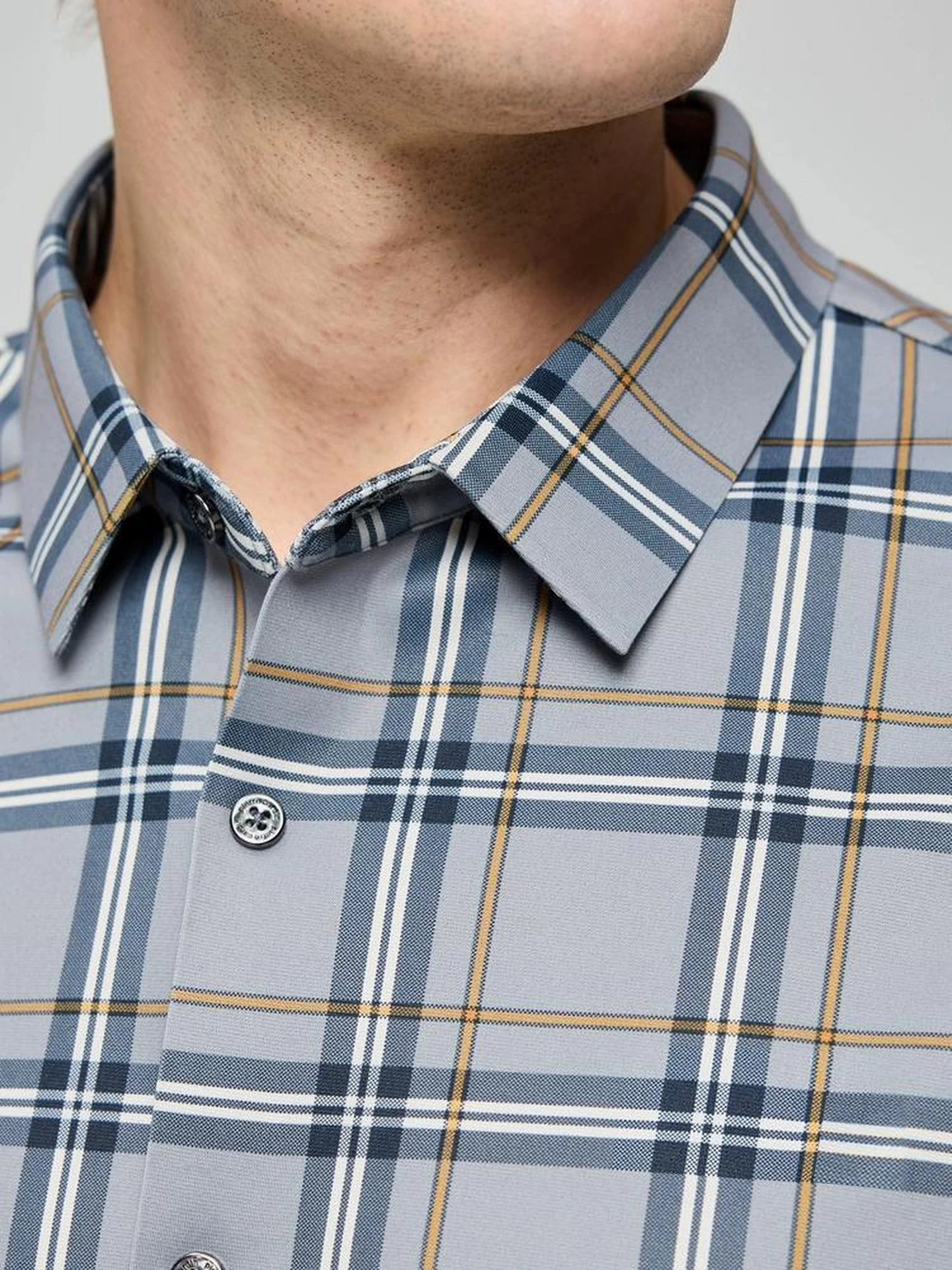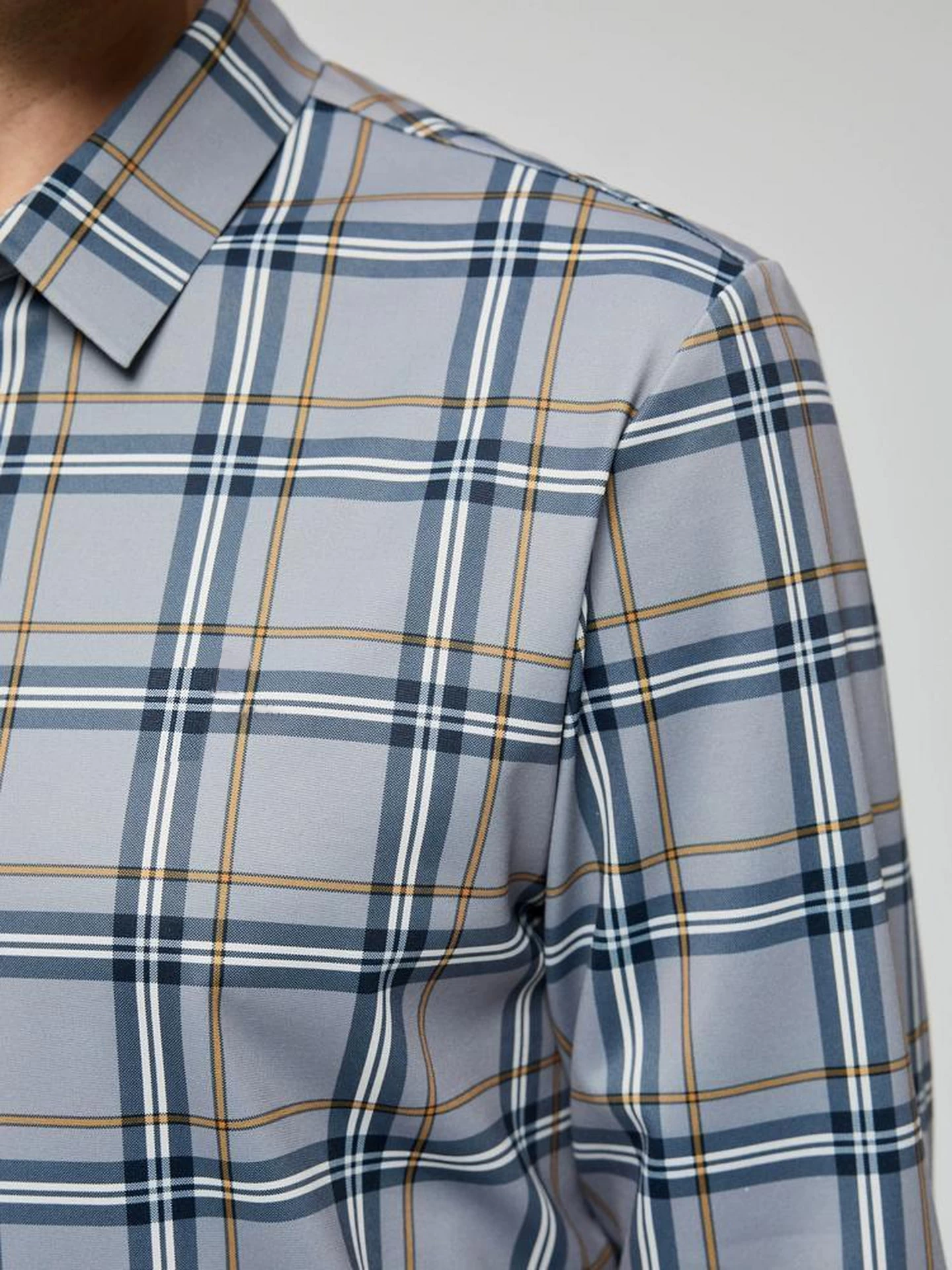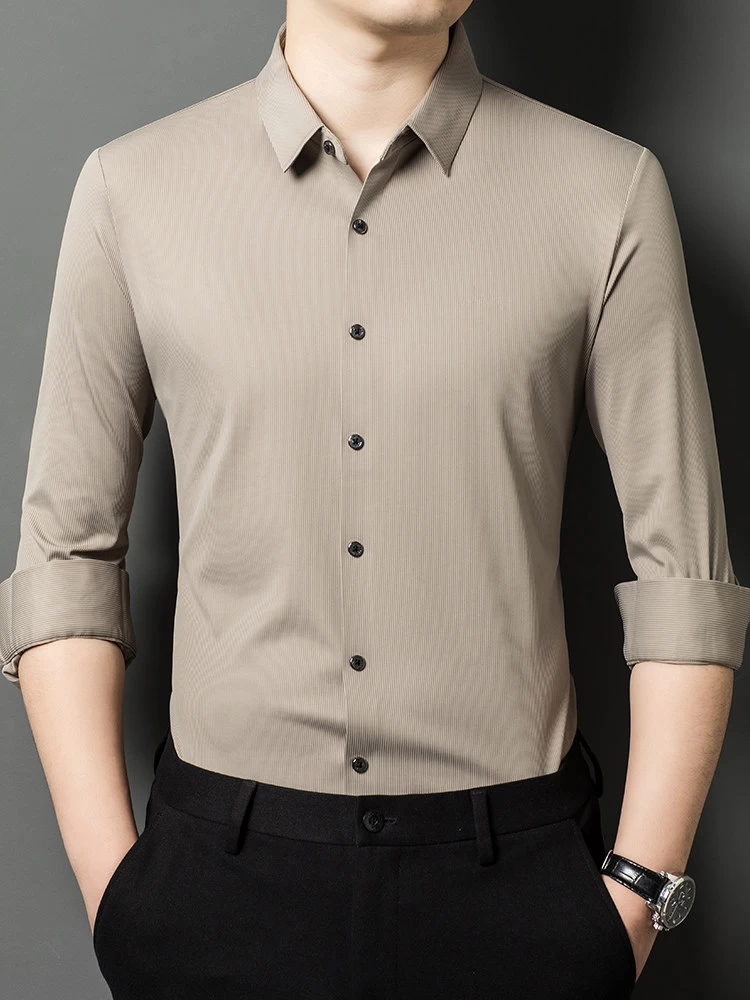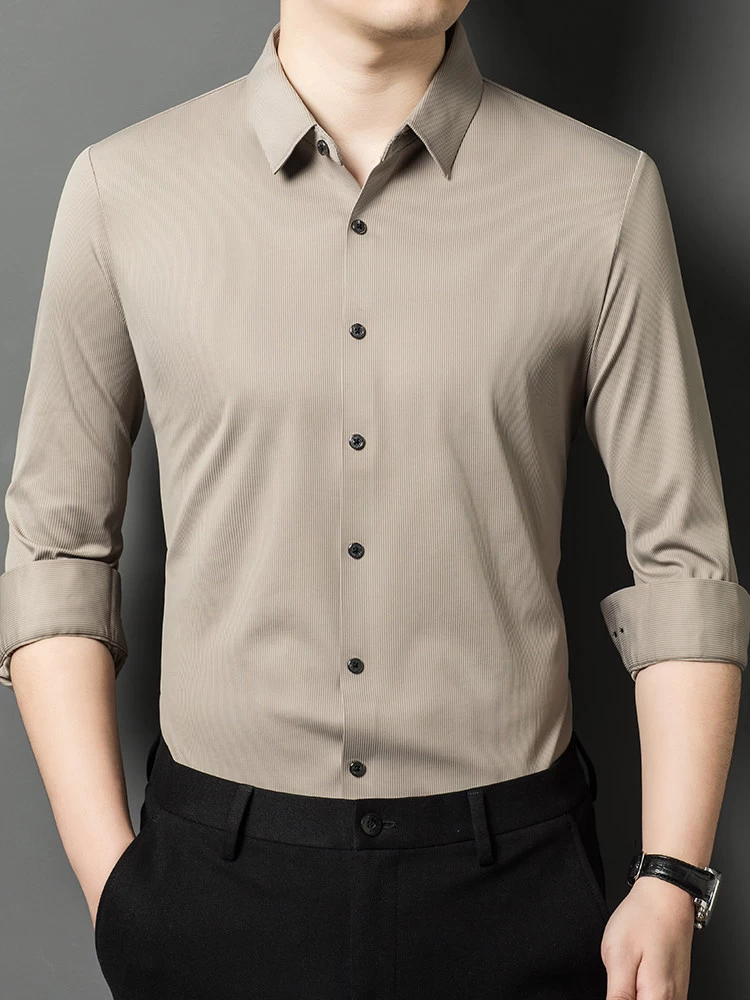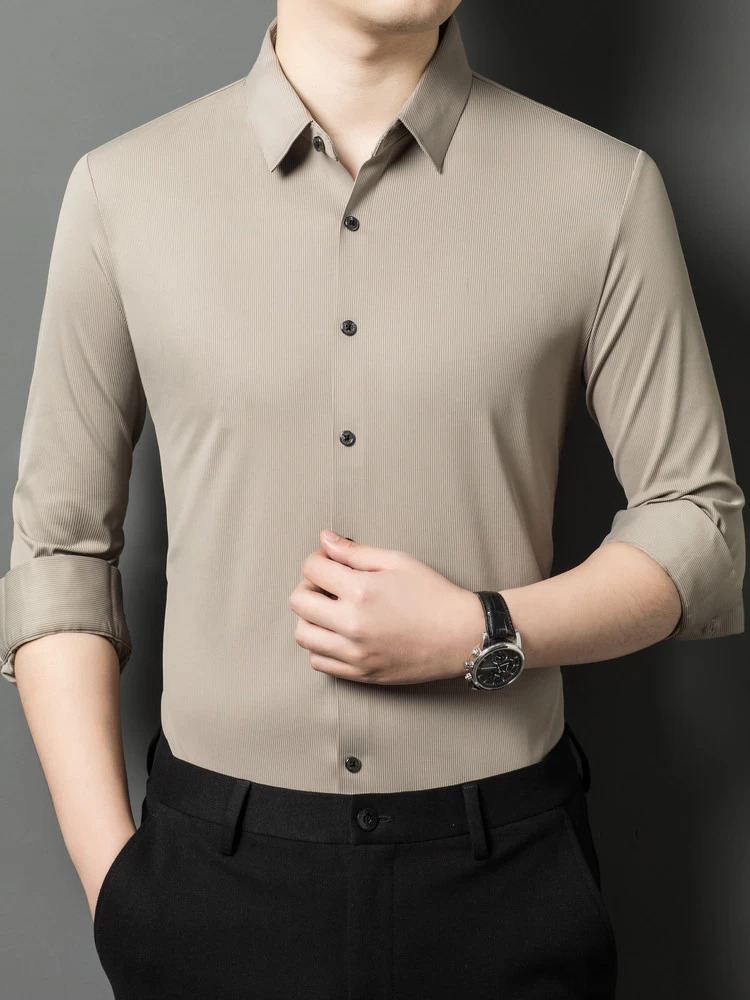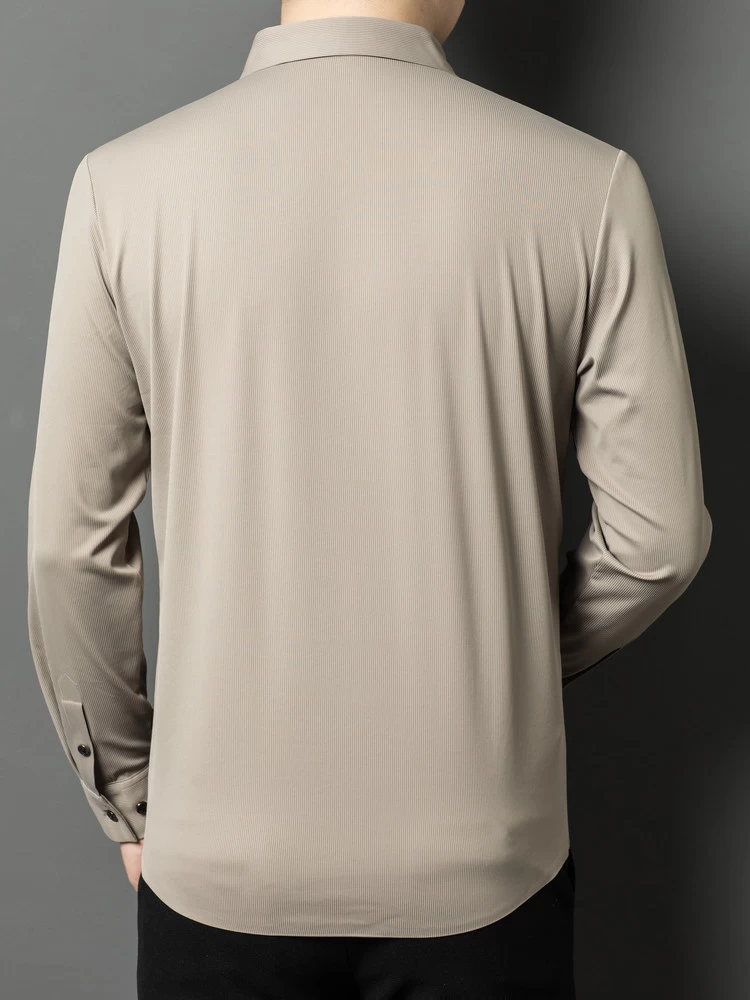
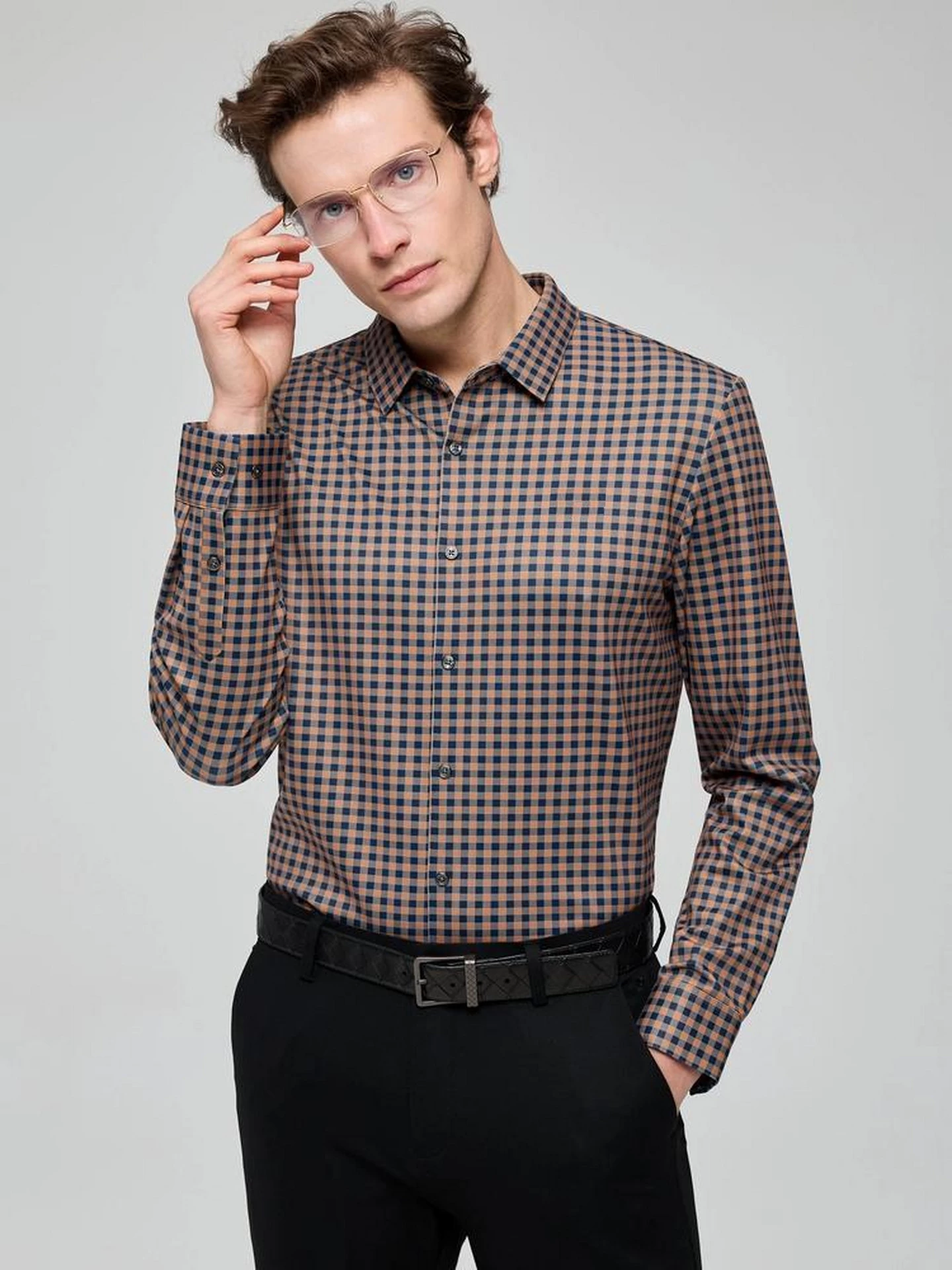
Knitwear looks like the simpler category to develop: no collar stand to engineer, no placket to align. In practice it is more sensitive to technical choices than wovens are, because a knitted fabric is formed from loops rather than woven from interlaced yarns, so the structure itself — not just the fibre — determines how the garment drapes, stretches and wears.
This guide covers the four decisions that drive both quality and cost on a knitwear programme, and where OEM and ODM models diverge.
1. Gauge: The Single Biggest Cost Lever
Gauge describes how many needles per inch the knitting machine uses. It is the first thing to fix because it constrains nearly everything else.
- Coarse gauge produces an open, chunky knit with visible stitch definition. It knits quickly, uses heavier yarn, and suits relaxed silhouettes and outer-layer pieces. Machine time per garment is low.
- Fine gauge produces a dense, smooth surface closer to a woven shirt in appearance. It requires finer yarn, more needles, slower knitting, and far more machine time per panel. This is where cost climbs steeply.
The common mistake is specifying a fine gauge for the look while budgeting for a coarse gauge. If your design intent is a smooth, dressy surface, accept the cost that follows from it — or move the design toward a wovens programme instead, where a comparable surface is achieved more economically.
2. Yarn: Where Hand-Feel and Price Are Decided
Yarn choice sets the hand-feel, the drape, the thermal behaviour and a large share of the material cost.
- Cotton is the workhorse: breathable, durable, and predictable through washing. Long-staple and combed cottons give a smoother surface and less pilling, at a higher price. Cotton is the safe default for a first knitwear range.
- Bamboo fibre and bamboo blends give a noticeably softer, cooler hand-feel with a subtle sheen, which reads as premium on the shelf. They are also more sensitive in processing and behave differently in the wash, so shrinkage and finish must be validated on a real sample rather than assumed.
- Blends are usually the pragmatic answer: a cotton-bamboo blend gets much of the softness at a lower cost than pure bamboo, while staying easier to process than a high bamboo content.
Whatever you choose, settle the yarn count and composition in writing. "Soft cotton knit" is not a specification, and the same nominal composition from two yarn lots can feel different.
3. Construction: Panels, Seams and the Cost of Detail
Once gauge and yarn are fixed, construction detail is what separates a basic knit from a designed one.
- Fully fashioned panels are knitted to shape, so the garment is linked rather than cut, minimising waste and producing a clean, flat seam. The trade-off is more machine programming and longer knitting time.
- Cut-and-sew panels are knitted as a sheet and cut to shape. This is faster and cheaper, but generates waste and can produce a bulkier seam depending on the finish applied.
- Trims and details — ribbed cuffs and hems, collar treatments, side slits, contrast tipping, patch pockets — each add operations. Individually they look minor; together they are often the difference between two price bands.
A useful discipline is to rank your details by how visible they are to the end customer. Spend on the ones the customer touches and sees first — the collar edge, the cuffs, the hem — and simplify the ones buried inside the garment.
4. Finishing and Wash Treatment
Finishing determines how the garment feels on first wear and how it survives the fifth wash. Washing or softening treatments can noticeably improve hand-feel and control shrinkage, and they are usually applied after making rather than to the yarn.
Two practical points for buyers:
- Request shrinkage data measured after the finishing treatment and one home wash, not on the greige fabric.
- Confirm colour fastness, particularly on dyed and blended yarns, since knitwear is worn against the skin and washed often.
5. Where OEM and ODM Diverge on Knitwear
The two models differ most in who owns the development work and how much of the cost sits up front.
- OEM (you bring the design): you supply the tech pack, the pattern or reference sample, and the yarn or fabric direction. The factory executes to your specification. Cost per unit can be lower at volume, but you carry the development cost, the sampling rounds, and the risk that your spec does not perform in production.
- ODM (the factory offers a developed design): you select from designs the factory has already developed, patterned and produced. Development cost is spread across other buyers, so your entry cost and lead time are both lower — you typically reach market faster. The trade-off is exclusivity: unless you agree otherwise, the same or a similar design may be offered elsewhere.
The right choice usually depends on stage rather than on price. A new brand entering knitwear for the first time generally gets to market faster and with less risk through ODM, then moves toward OEM once it knows which silhouettes sell and can justify the development spend.
6. Minimum Order Quantities on Knitwear
MOQ on knitwear is driven by two things: yarn minimums from the mill, and machine setup time. Coarse-gauge programmes on stock yarns tolerate lower minimums than fine-gauge programmes on custom-dyed yarns, because the custom yarn has to be spun and dyed to order.
If your first order is small, the practical lever is not usually negotiation — it is choosing a gauge and yarn that are already running. Ask what the factory is currently knitting rather than asking for a price and hoping the MOQ moves.
7. Why Work With an Integrated Knitwear Manufacturer
SEEWEED develops both knitted and woven shirt programmes, with pattern making, sampling and bulk production handled in house. For knitwear specifically, that means:
- Gauge and yarn recommendations grounded in what the machines can actually run, given early rather than after a sample fails.
- Both OEM and ODM routes available, so a brand can start on an existing design and migrate to a fully custom programme as volumes grow.
- Sampling and bulk under the same roof, keeping technical intent intact between the approved sample and the shipped goods.
Conclusion
Knitwear cost is set at the design stage, not negotiated at the quotation stage. Fix the gauge, commit to a yarn in writing, decide which construction details earn their cost, and validate shrinkage after finishing. Then choose OEM or ODM based on where your brand is, not on the unit price alone.
Tell us your target silhouette, hand-feel and approximate order quantity, and our team will advise on gauge and yarn, and send you a sampling plan with indicative pricing.