A fabric library is the least visible asset a shirt manufacturer can hold, and it is often the one that decides whether a programme is viable. Buyers see it indirectly, as the reason a small first order could be produced at all, or as the reason a custom fabric quote came back with a mill minimum attached. This is a look at how SEEWEED's fabric development side is organised, and what a buyer should understand about it before specifying.
The subject is not which fabrics exist, but how fabric development works as a system.
1. Why Fabric Development Is a System, Not a Catalogue
A catalogue is a list of what a mill currently offers. A development system is a method for producing a new fabric against a requirement. The difference is what happens when a buyer asks for something that is not listed.
- Catalogue logic: choose the nearest available match and adjust the garment design around it. Fast, but the design carries the compromise.
- Development logic: work backwards from the garment's requirement — hand-feel, drape, weight, opacity, seasonality — to the yarn and weave that deliver it.
- Both are legitimate: the correct choice depends on order size. The point is that a supplier needs the second capability in order to offer a genuine choice.
This is the reason a fabric-first manufacturer behaves differently from a garment-first one. The garment-first factory is structurally a catalogue user, however skilled its sewing floor.
2. The Four Variables a Development Team Controls
When SEEWEED develops a fabric against a garment requirement, the levers are consistent and finite. Understanding them is how a buyer can hold a useful conversation rather than describing a mood.
- Material and fibre: cotton as the default, with blends used deliberately rather than as cost reduction — bamboo blends for a softer hand-feel in warm climates, nylon-spandex where stretch and recovery are needed.
- Weight: quoted in grams per square metre, or in ounces per square yard for older specifications. Weight drives drape, opacity and seasonal positioning at once.
- Yarn count: higher counts give a finer, smoother surface. An 80S poplin reads noticeably more refined than a coarser count, and is priced accordingly.
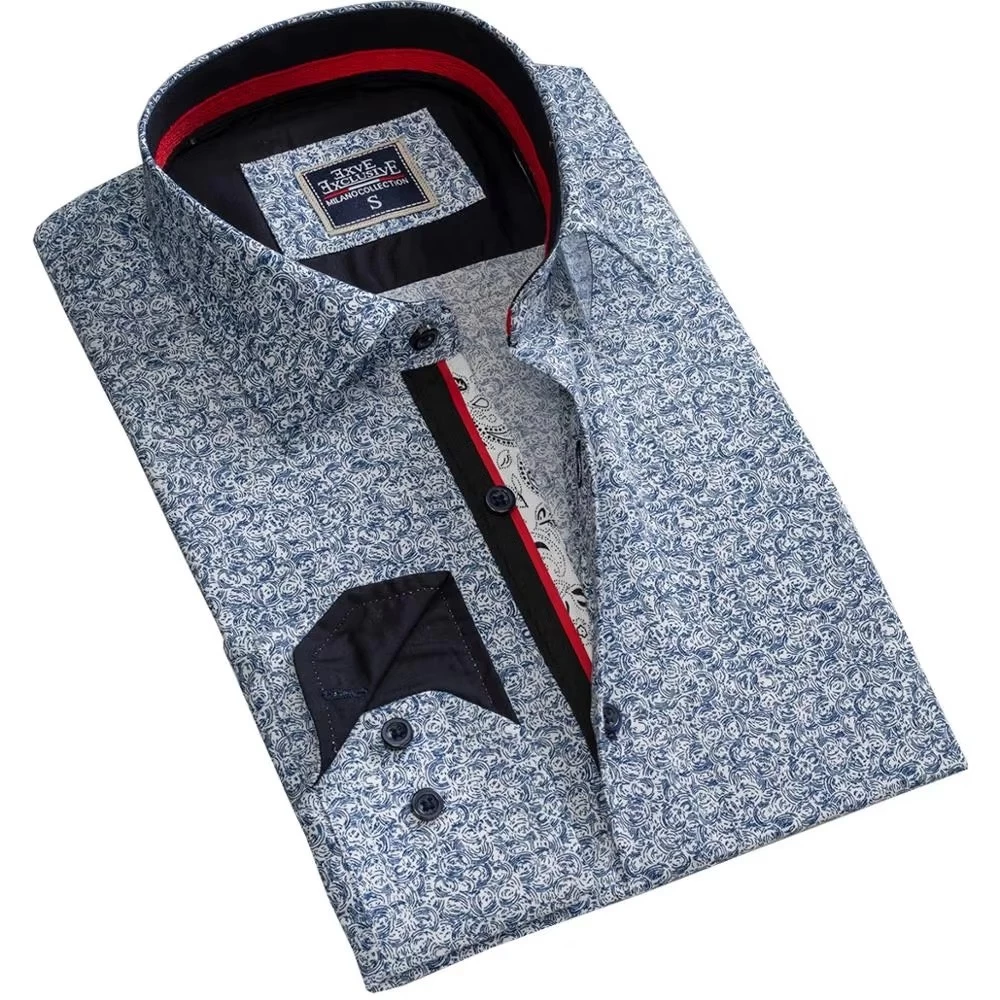
- Weave structure: poplin, oxford, twill and yarn-dyed patterns behave differently in drape, texture and light response, even at the same weight and fibre.
Precise matching across material, weight, feel and craftsmanship is the stated goal of the development stage, and these four variables are how that precision is actually achieved.
3. Developing Backwards From the Garment
The distinctive part of an integrated model is the direction of travel. Instead of developing a fabric and then finding a garment for it, development starts from what the garment has to do.
- A formal shirt needs crispness, a clean surface and a collar that holds its line, which points towards a finer yarn count and a tighter weave.
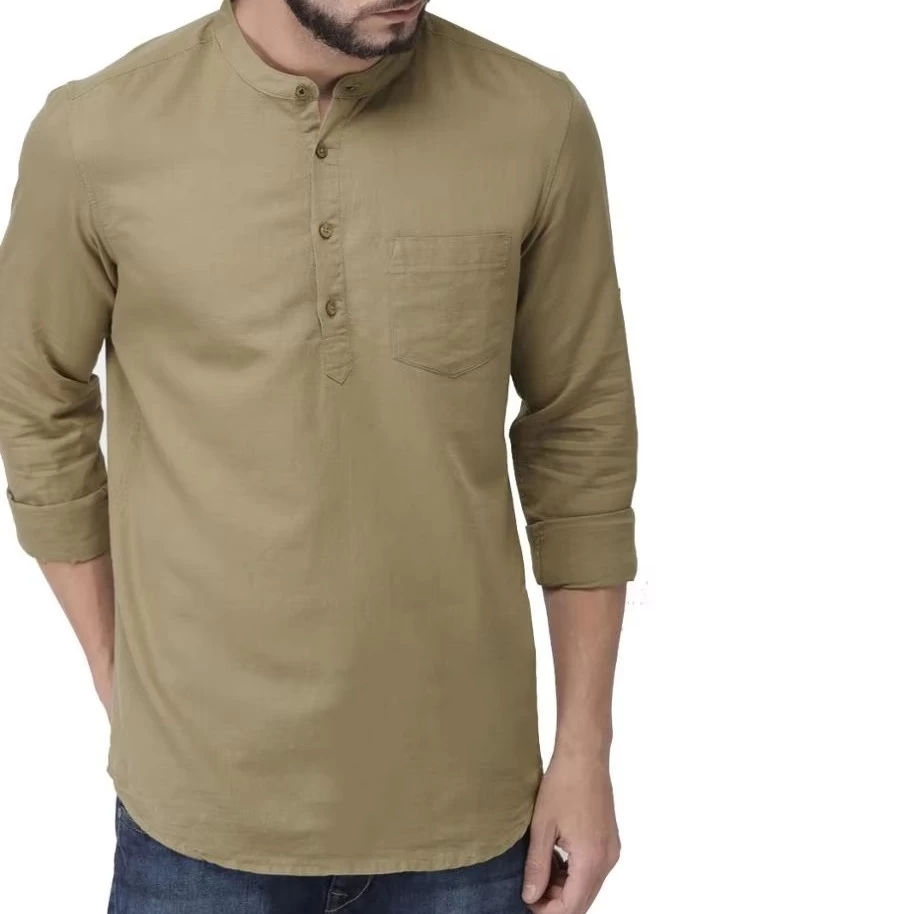
- A casual or loose-fit shirt needs movement and a softer drape, which points towards a heavier construction or a fibre blend.
- A performance programme needs stretch and recovery that survive laundering, which is a fibre and finishing question rather than a weave question.
- A workwear programme needs abrasion resistance and dimensional stability, where a heavier construction earns its cost.
Working in this direction means the garment specification is fixed first and the fabric is engineered around it, rather than the other way round.
4. The Development Library and the Mill Minimum
Every fabric developed for one programme leaves something behind, and that accumulated material is what makes small orders possible.
- What the library contains: fabrics already developed and characterised for weight, hand-feel and behaviour, available without a fresh development cycle.
- Why it removes the minimum: a mill minimum applies to the mill's run, not to the buyer's garment order. If the fabric already exists in the library, that constraint does not attach to the buyer.
- Where it does not help: a genuinely new fabric — a custom shade, a specific yarn, an unusual weave — still runs on mill-scale quantities, and that minimum is the real constraint on a small first order.
This distinction is the single most useful thing a buyer can take from this subject. "Can you source this fabric" and "can you develop this fabric at my volume" have different answers, and conflating them is the most common way a first order stalls.
5. Woven and Knitted Development Side by Side
Most shirt factories develop in one construction only. Running both woven and knitted development changes what a buyer has to manage.
- Woven: poplins, oxfords, twills and yarn-dyed patterns, the traditional basis of formal and business shirting.
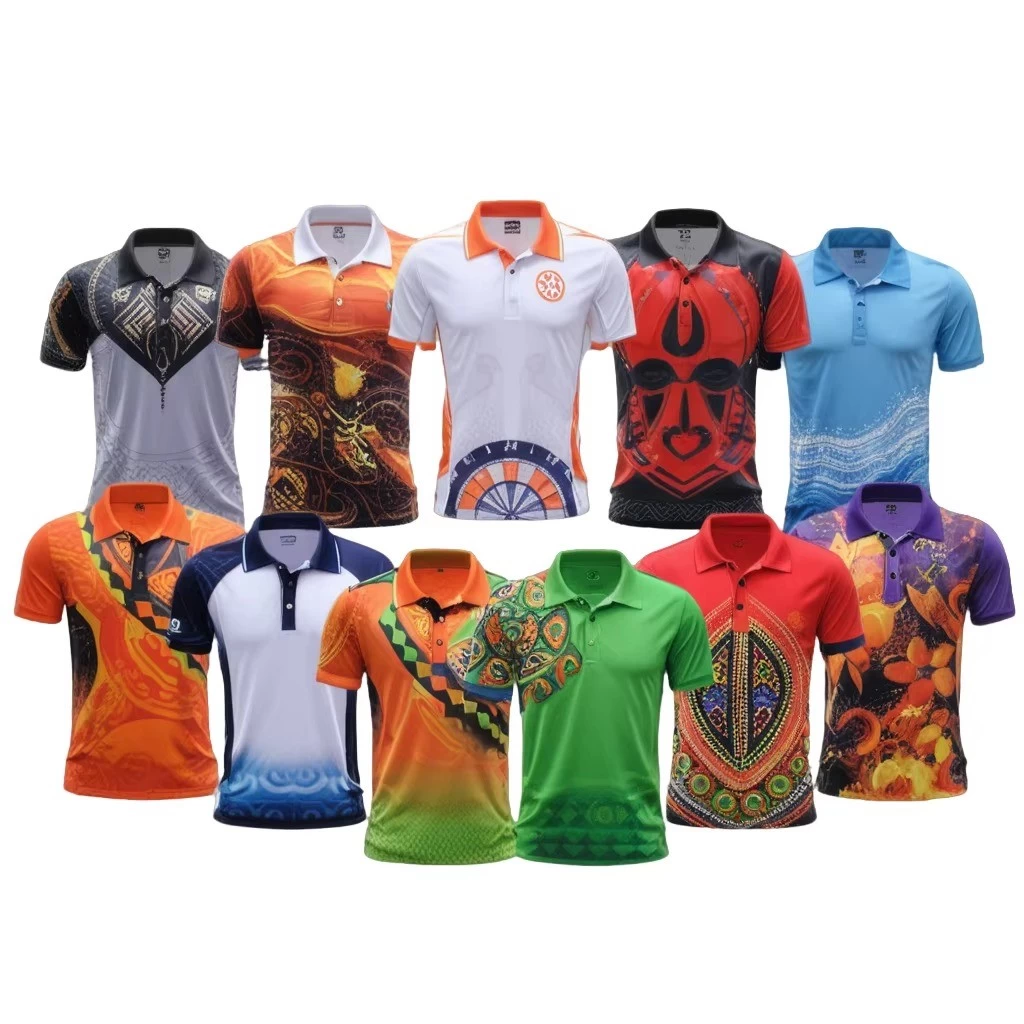
- Knitted: the construction behind knit shirts, seamless fabrics and much of the casual and performance market.
- The buyer's benefit: one development relationship and one quality standard across a mixed range, instead of two suppliers with different tolerances and different calendars.
This matters more than it used to. Ranges have blurred, and a season that once sat entirely in woven now typically includes knit alongside it.
6. How Consistency Is Held Across a Programme
Development is only useful if the result repeats. Holding a fabric consistent across a programme and across reorders is a separate discipline from creating it.
- Specification first: a fabric is defined by recorded parameters, so a reorder is matched to a specification rather than to a retained swatch that may have aged.
- Incoming verification: fabric is checked on receipt against the agreed standard before it reaches the cutting table.
- Shade and shrinkage control: the two variables most likely to shift between lots, and the two that generate the most claims when they are not monitored.
Because dyeing and finishing carry their own tolerances, consistency is achieved by controlling them, not by assuming they will not drift.
7. What to Send When You Want Fabric Developed
A development request that contains the right information comes back as a specification. One that does not comes back as a series of questions.
- End use, and the formality band the garment has to sit in.
- Target weight, either in GSM or in the ounces-per-yard term your own specification uses.
- Hand-feel reference — a swatch, a competitor garment, or a plain description of crisp versus soft.
- Fibre preference or restriction, including any market requirement on composition.
- Colour direction, and whether a solid or a yarn-dyed pattern is intended.
- Target order quantity, because it determines whether library selection or fresh development is the practical route.
- Performance requirements — stretch, easy-iron, anti-pilling, moisture management — and the laundering regime the garment will face.
Supplying the end use and the quantity together is what allows a route to be recommended rather than merely quoted.
8. Working With SEEWEED on Fabric
SEEWEED develops both woven shirt fabrics and knitted seamless fabrics in house, with fabric development, pattern making, sampling and bulk production handled under one roof. For buyers that means:
- Fabric selected from an existing development library, so a smaller order can begin without a mill minimum.
- Fabric developed against a specific garment requirement when the range needs something the library does not hold.
- The same technical team accounting for the fabric and the garment, so a behaviour question has one owner.
- A mixed woven and knitted range handled through a single relationship.
Production follows ISO standards, with fabric checked on receipt as the first stage of multi-stage inspection.
Conclusion
Fabric development is the stage that determines what is possible later. Treating it as a catalogue lookup constrains the garment to what happens to be available; treating it as a development system allows the garment to be specified first and the fabric engineered to suit. The practical question for a buyer is simply whether the fabric you want already exists in the supplier's library, because that single fact decides whether your order size is workable or subject to a mill minimum.
Send us the end use, the target weight or hand-feel, and your order quantity. We will tell you whether your fabric sits in the existing development range or needs a fresh cycle, and what that means for your minimum and your timeline.