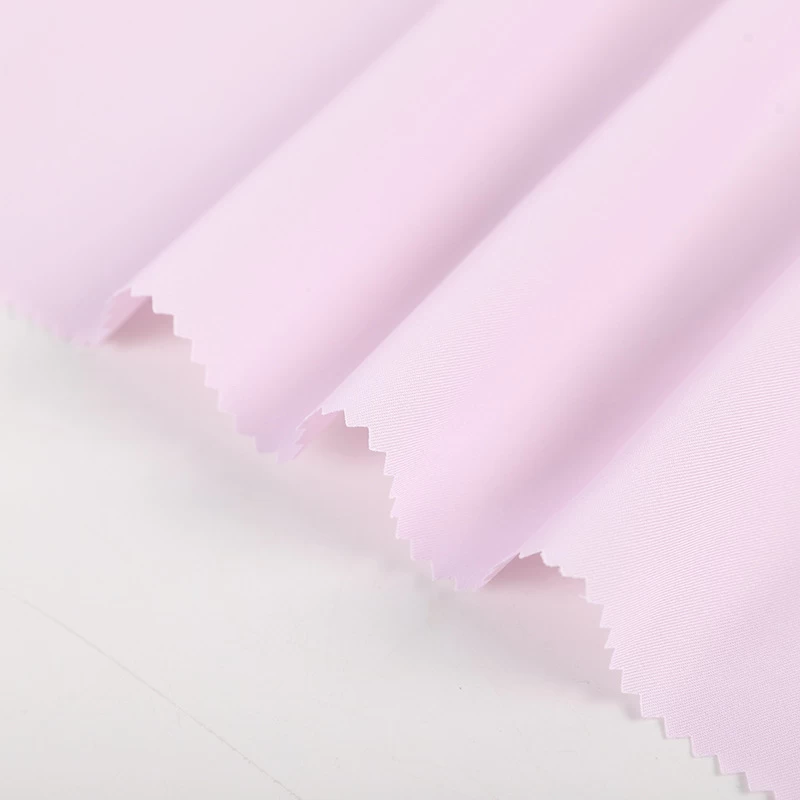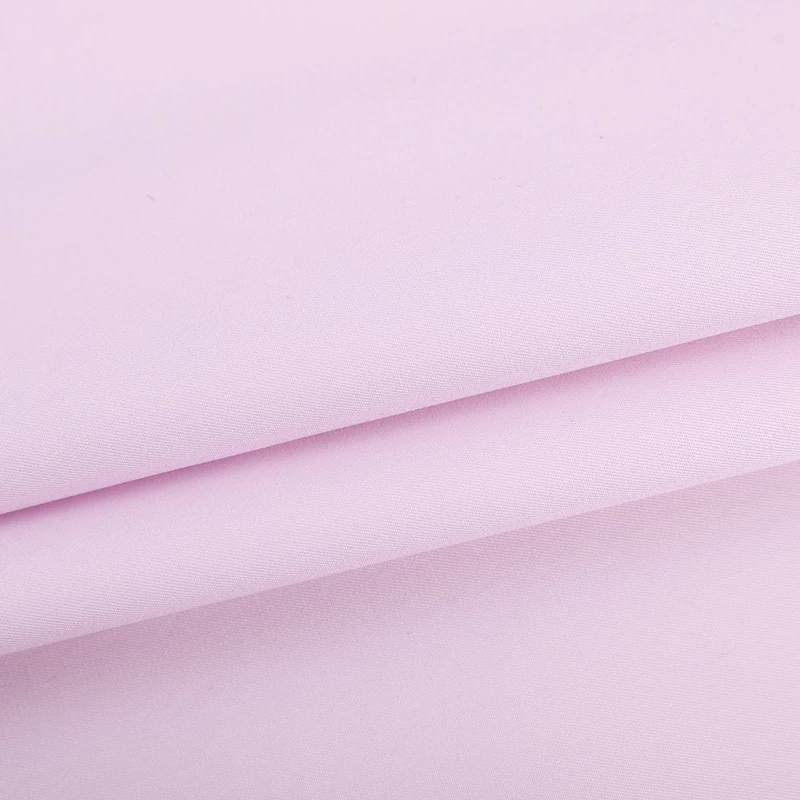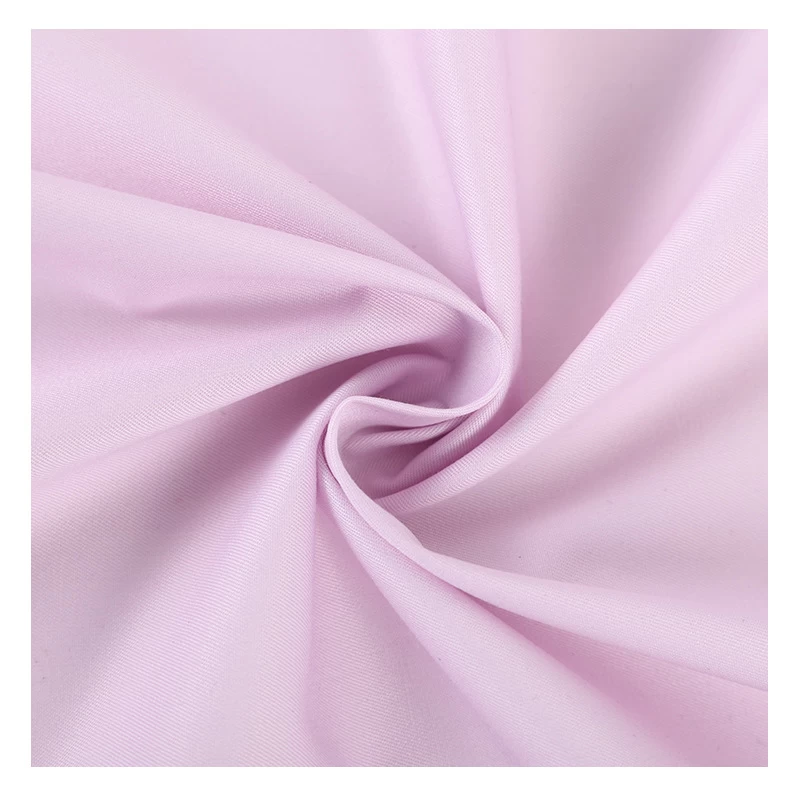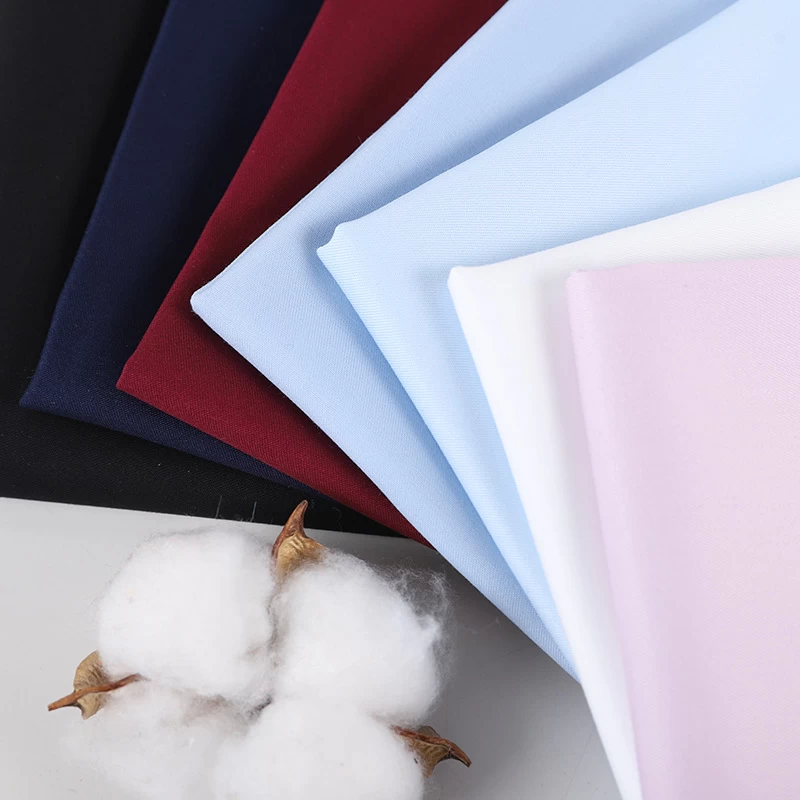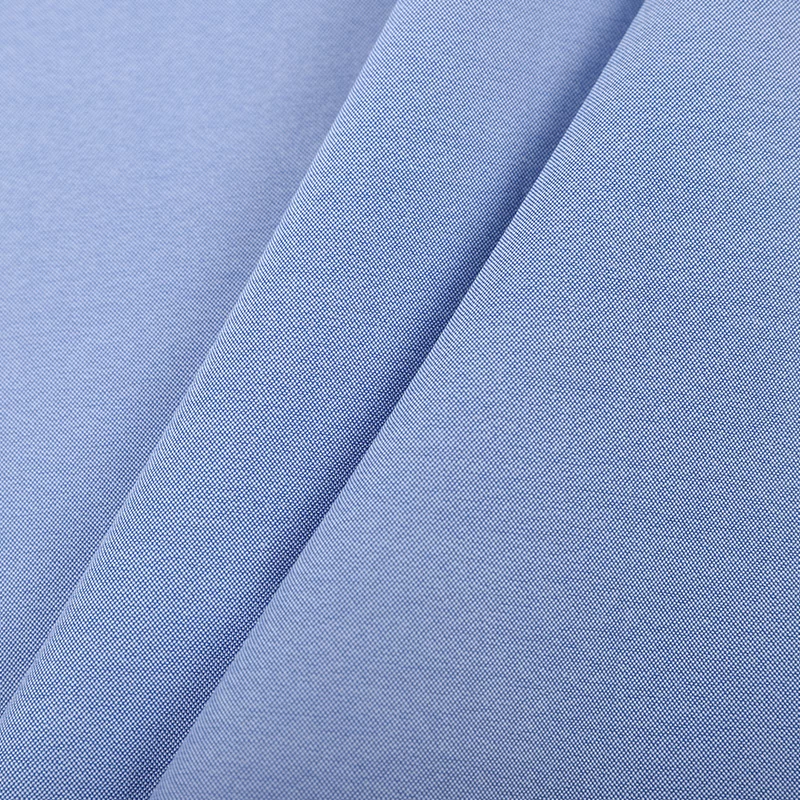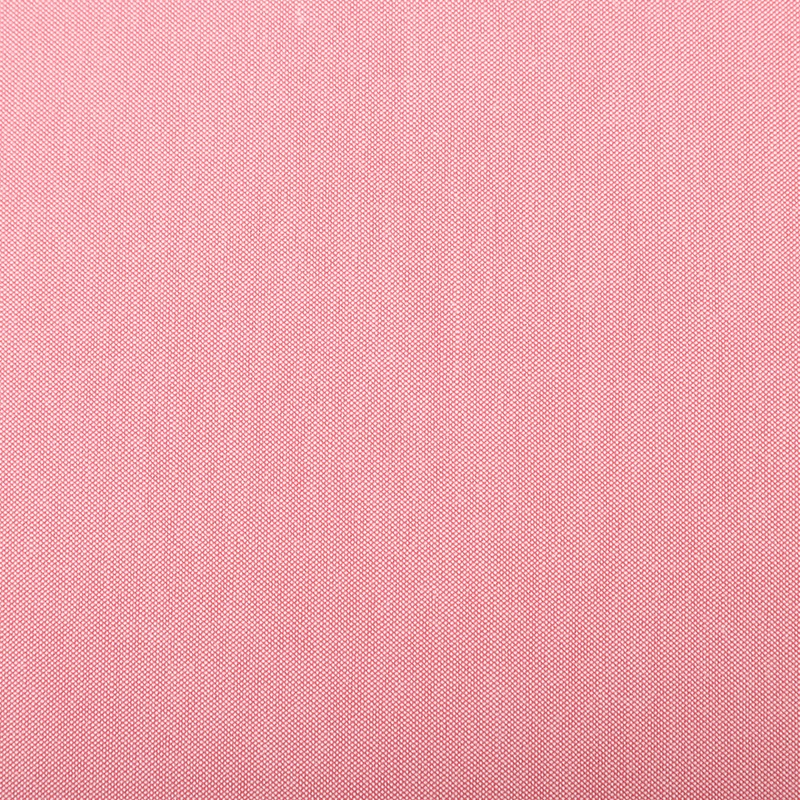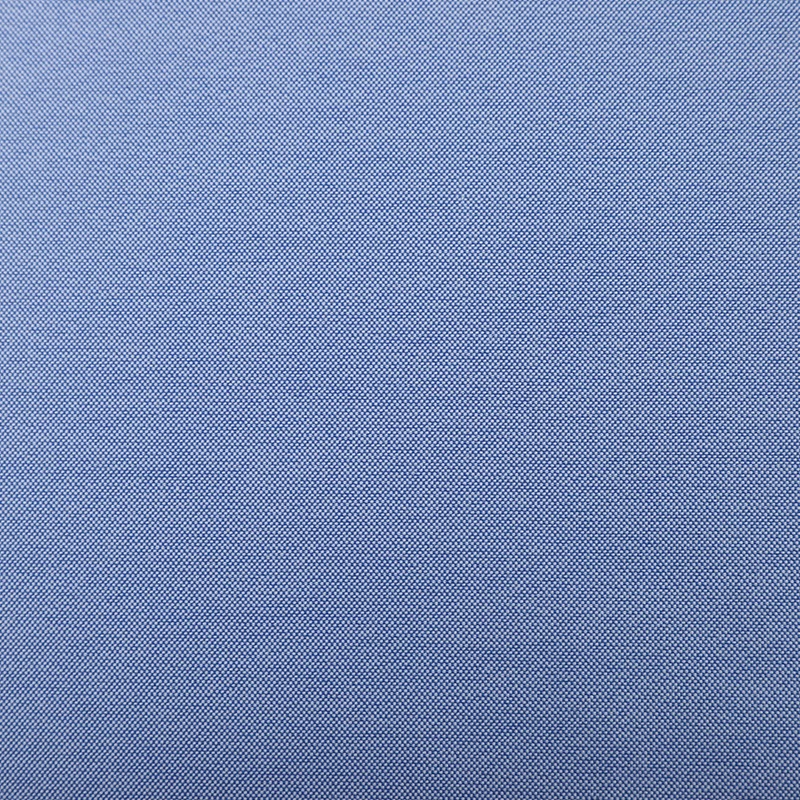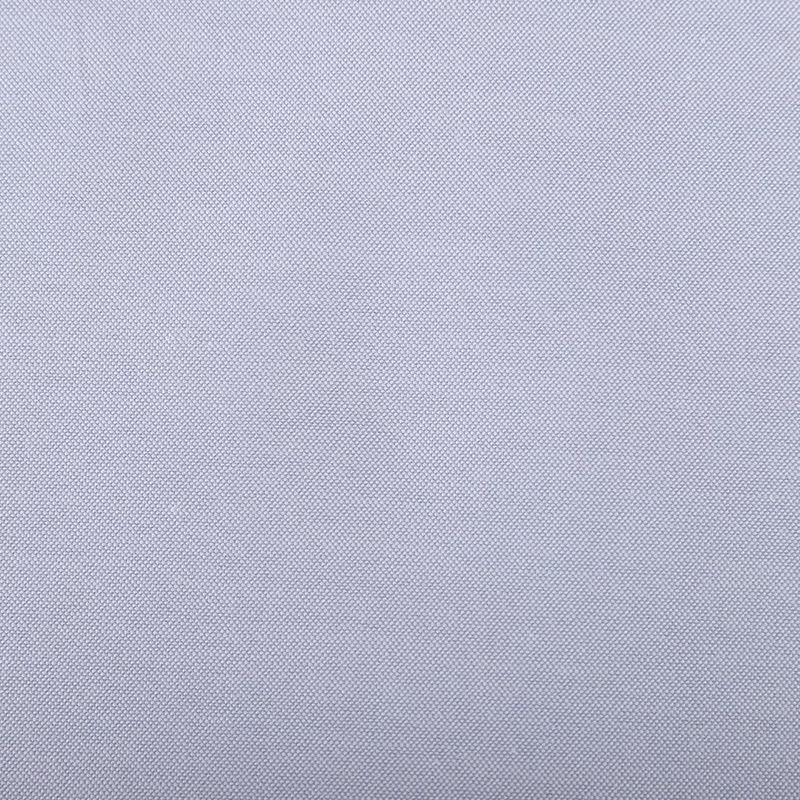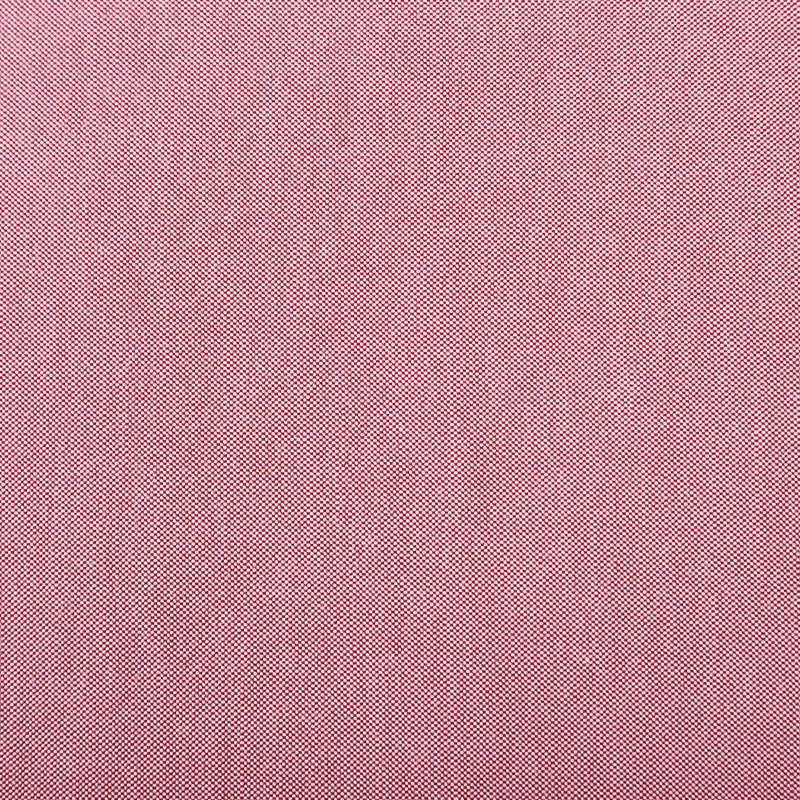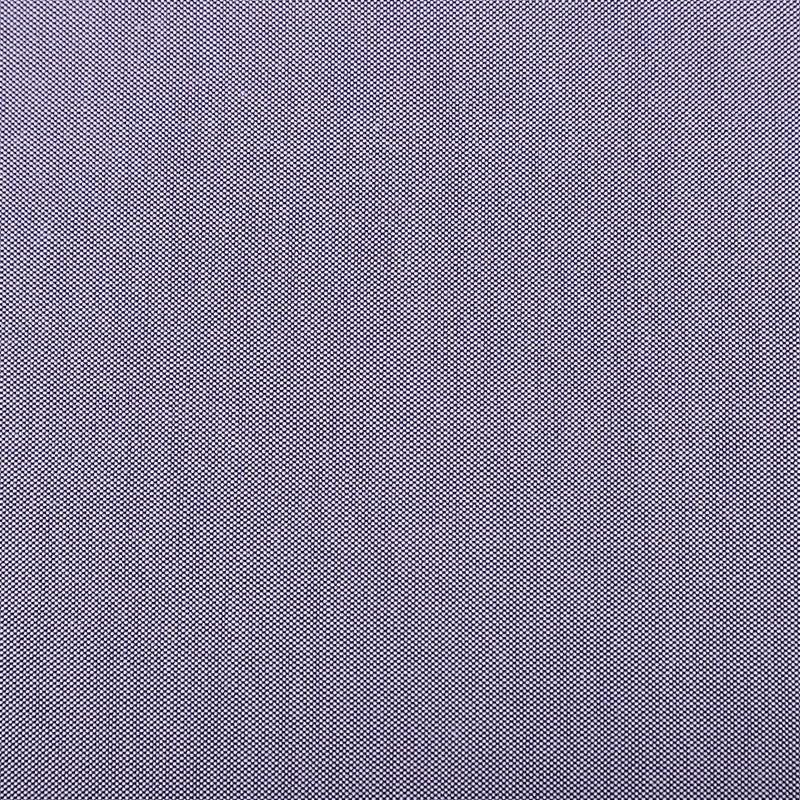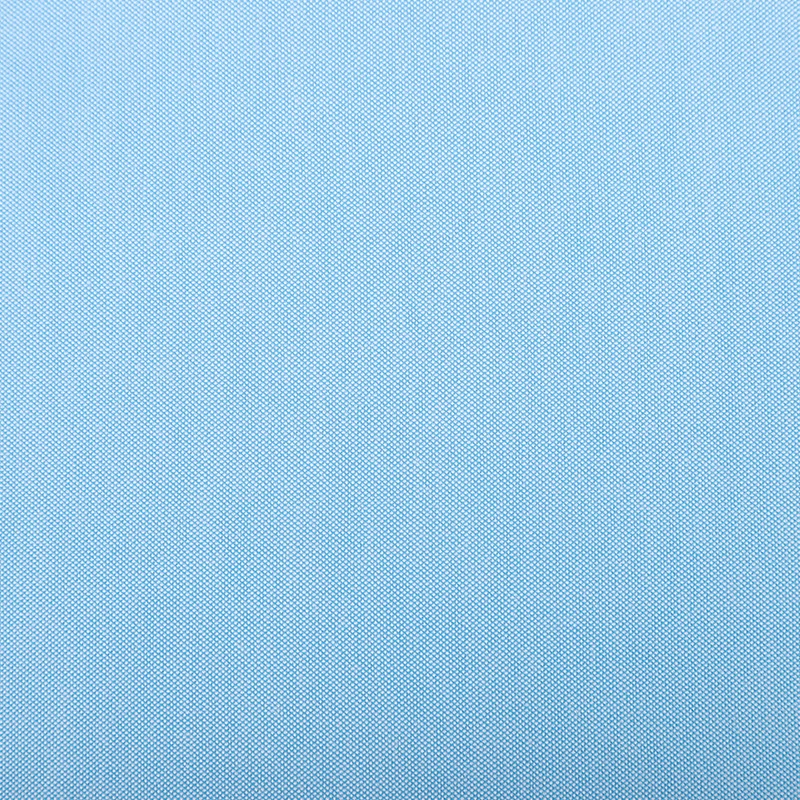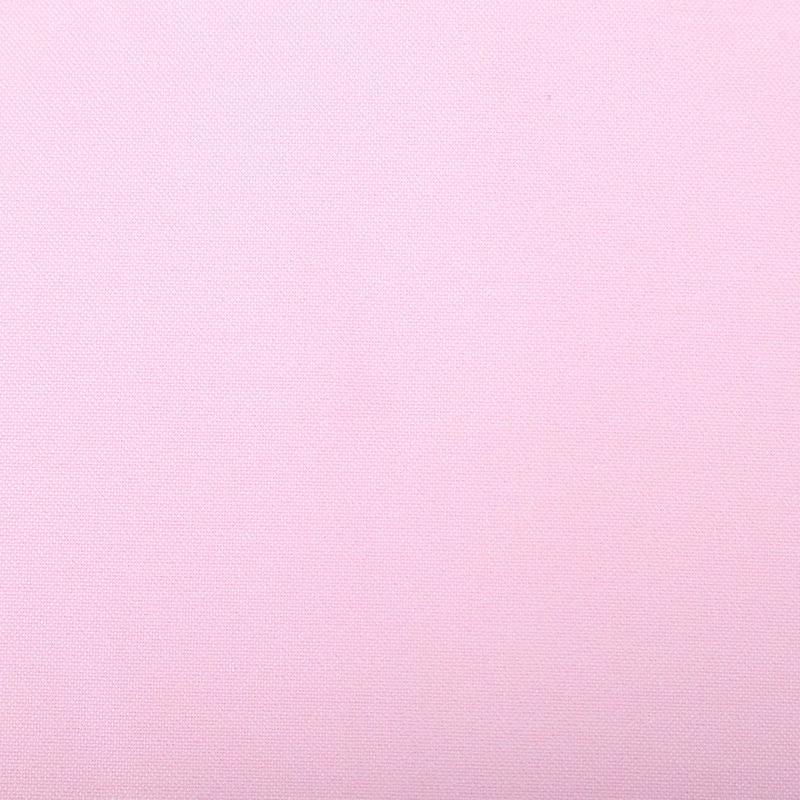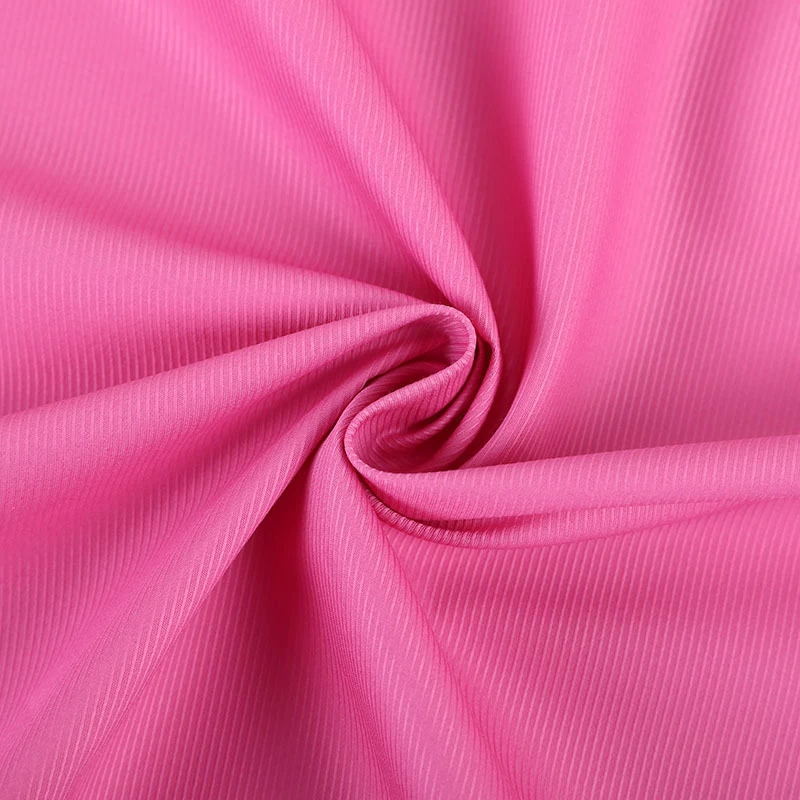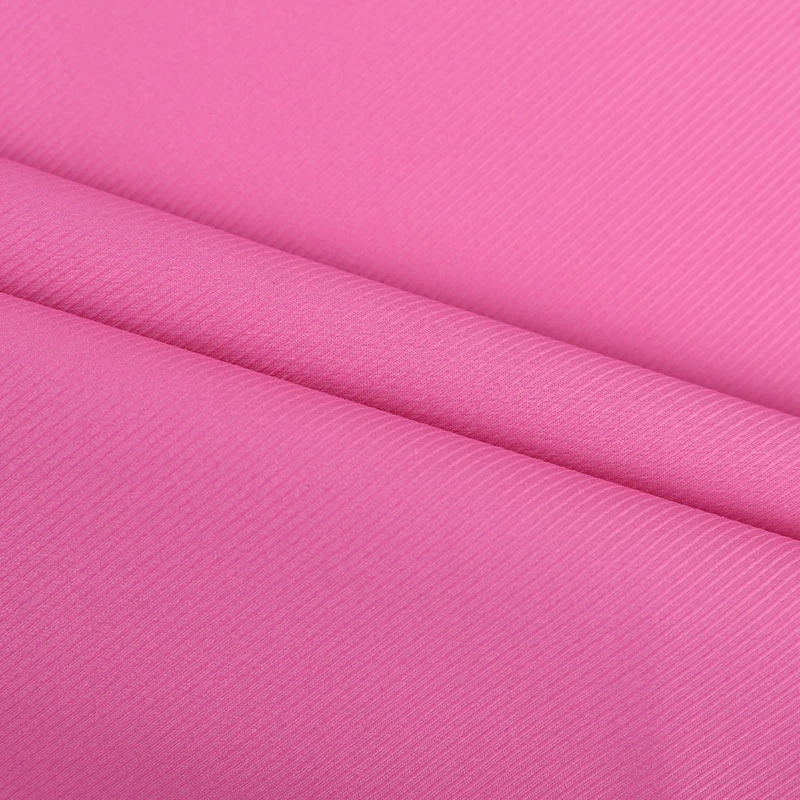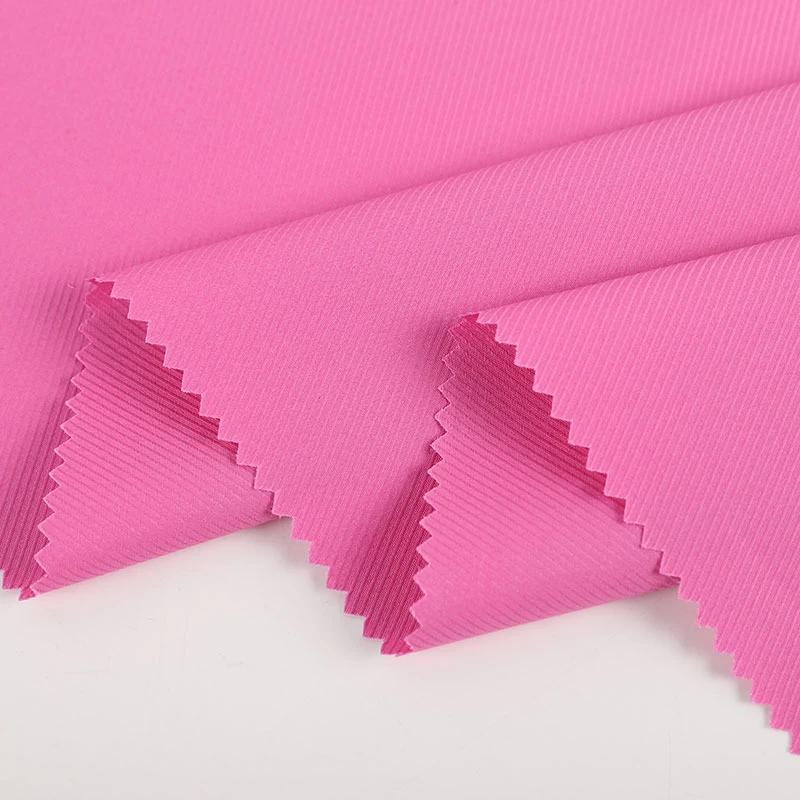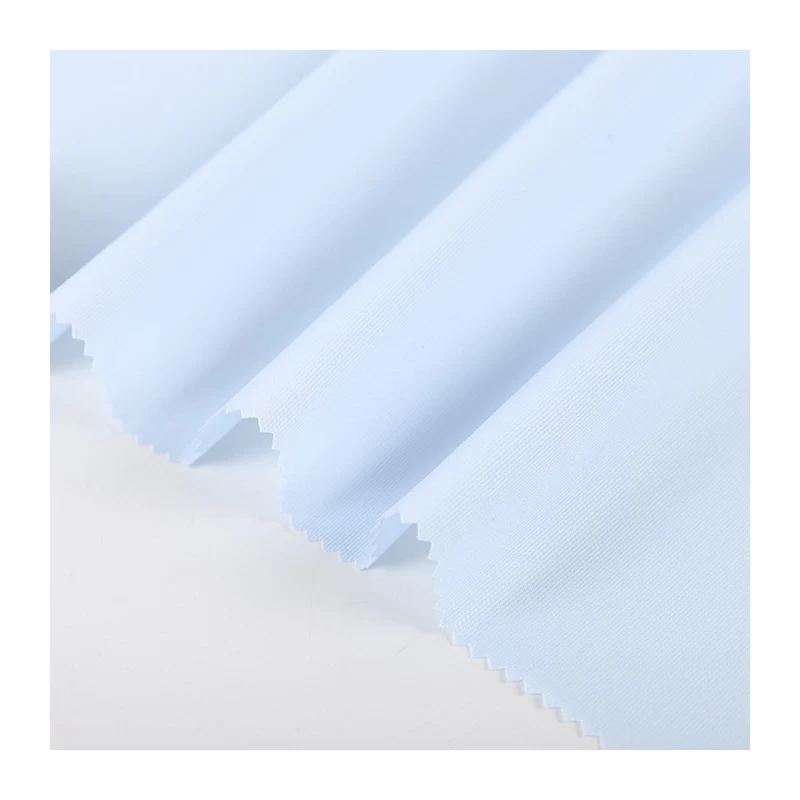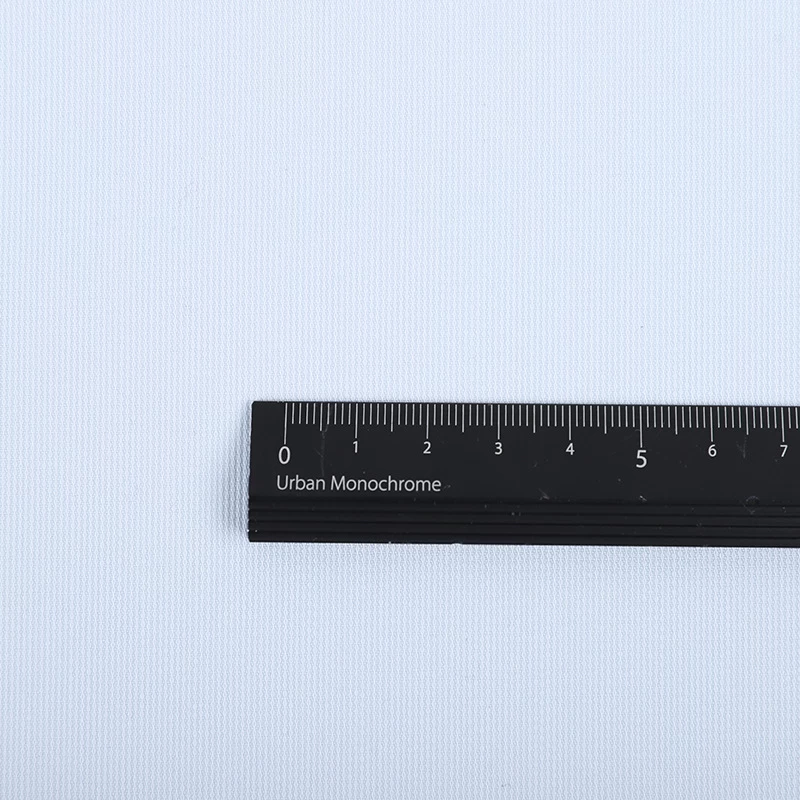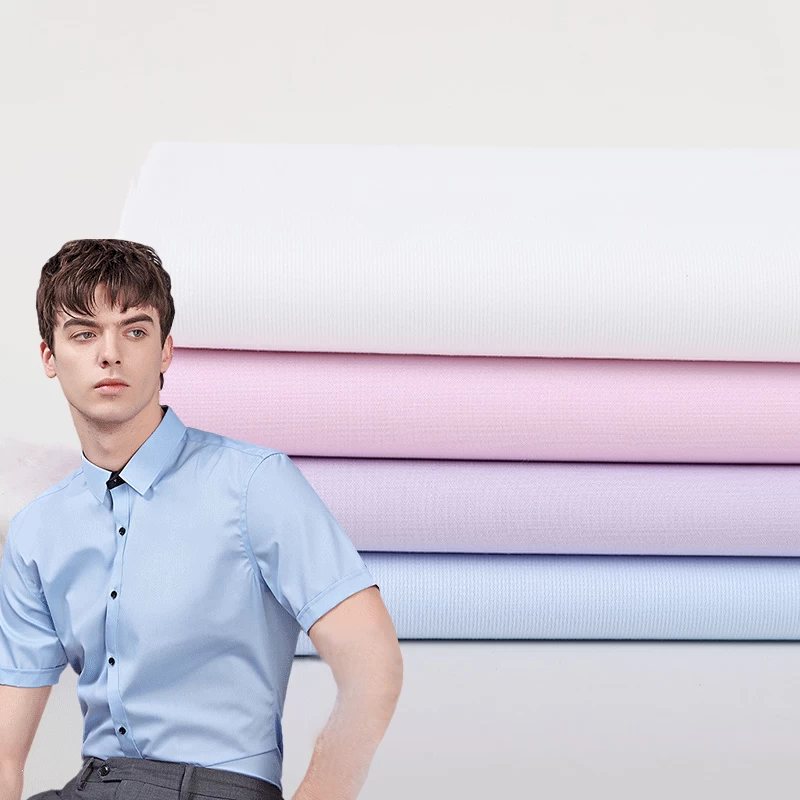
Fabric is the single decision that determines how a custom shirt feels, drapes and survives its first fifty washes. Yet most sourcing conversations start with price per metre and end with a sample that does not match the brief. This guide breaks down the four shirting families most often requested from garment manufacturers — 80S poplin, oxford, cavalry twill and toothpick stripe — and gives you a specification sheet you can send to any mill.
Why Yarn Count Comes First
Yarn count describes how fine the individual threads are. It is written as a number followed by "S" — 40S, 60S, 80S, 100S, 120S. A higher number means finer, longer-staple yarn spun into a thinner thread. Finer yarn produces a smoother, lighter, more lustrous fabric; coarser yarn produces a heavier, more textured cloth with better abrasion resistance.
Two rules of thumb worth memorising:
- Yarn count drives hand-feel more than weight. A 120S poplin at 110 GSM feels dramatically finer than a 40S poplin at the same weight.
- Higher count is not automatically better. Above roughly 120S, fabrics become fragile, wrinkle-prone and difficult to press — they are dress-shirt fabrics for occasional wear, not workwear.
The Four Core Shirting Fabrics
80S Poplin — The Balanced Default
Poplin is a plain weave with fine warp yarns and slightly heavier weft yarns, which creates the characteristic subtle rib across the cloth. At 80S with a 120–135 GSM weight, it sits in the sweet spot for corporate uniforms and premium retail shirts: smooth enough to look sharp, dense enough to hold a crease, and forgiving enough to survive industrial laundering.
Choose 80S poplin when: you need one fabric that works across office, hospitality and retail uniform programmes; print clarity matters; the shirt will be worn daily.
Oxford — Texture and Durability
Oxford uses a basket-weave structure — two warp yarns crossing two weft yarns — which gives a slightly rougher, more open surface and a distinctive "nubby" appearance. Classic oxford is built from heavier yarns (typically 40S–60S) at 140–170 GSM. It is more opaque, more breathable and considerably more abrasion-resistant than poplin.
Choose oxford when: durability outranks formality; the shirt is for outdoor, field or casual-luxury use; a button-down collar suits the brand.
Cavalry Twill — Structure and Recovery
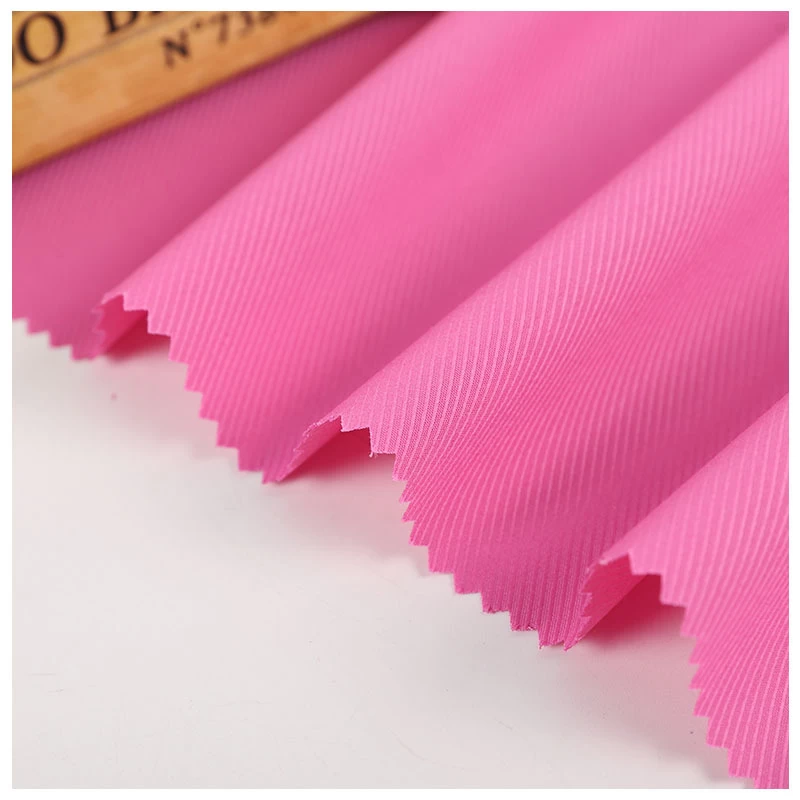
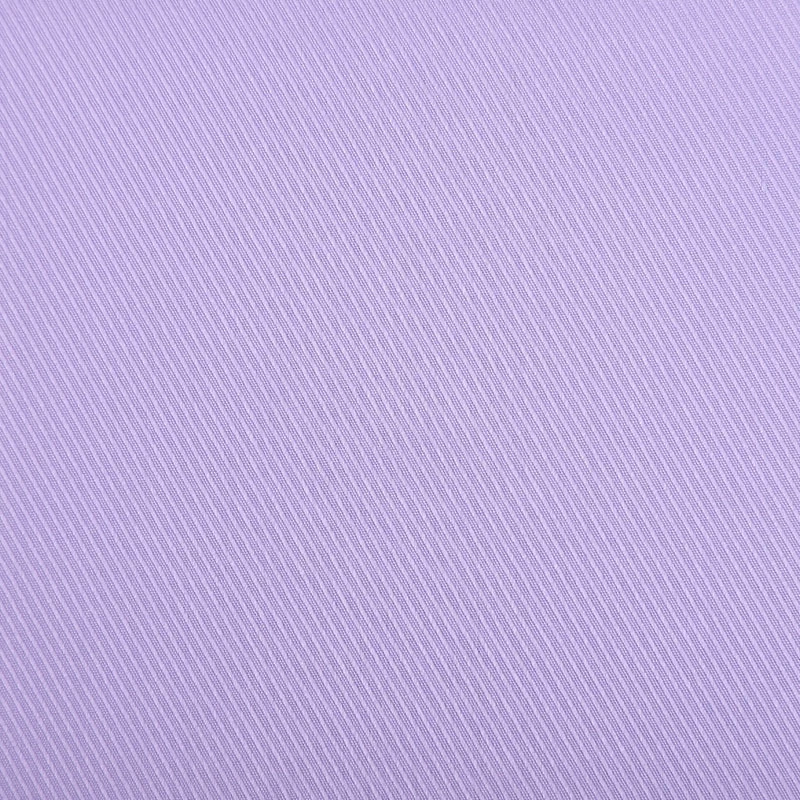
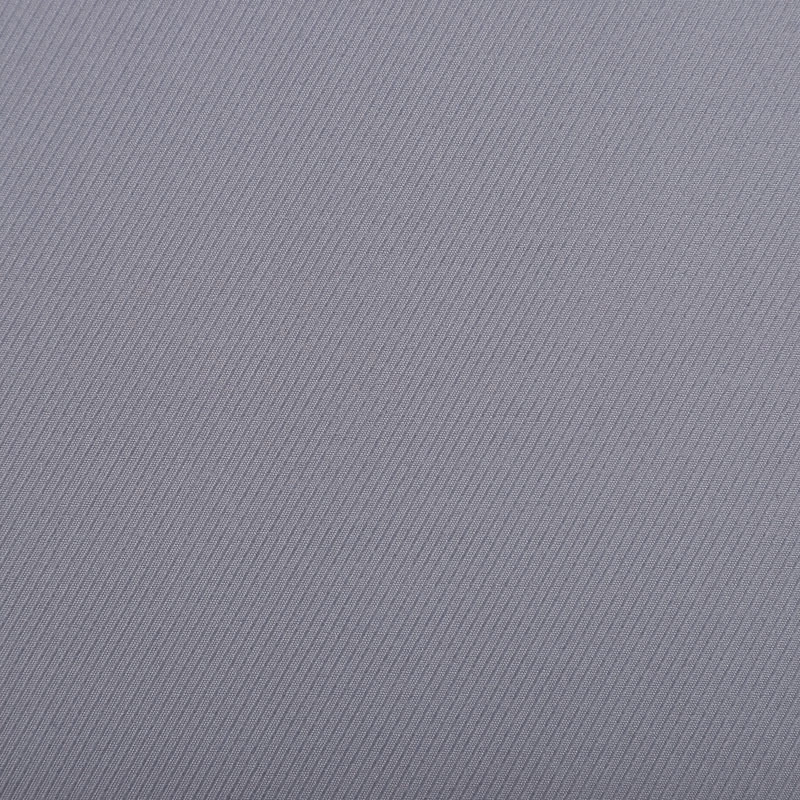
Twill weave produces diagonal lines across the fabric. Cavalry twill uses a steep double-twill construction that yields a dense, firm cloth with excellent shape retention and a subtle sheen. Its higher thread density means it resists pilling and holds a press through repeated wear.
Choose cavalry twill when: the garment is a structured overshirt, uniform jacket or tailored shirt where silhouette matters; you want a fabric that reads as "premium" in the hand.
Toothpick Stripe — Visual Rhythm
Toothpick stripe is a poplin or fine-twill base carrying very fine, closely spaced vertical stripes — typically 1–2 mm wide. The stripes are created in the yarn-dyeing stage rather than printed, so they never crack or fade at the fold lines. The narrow spacing reads as a solid colour from a distance and reveals detail up close, which is why it is a staple of banking, airline and hotel uniforms.
Choose toothpick stripe when: you want visual interest without a bold pattern; the shirt must look formal in photographs; brand colours need to appear as accents rather than blocks.
Side-by-Side Specification
| Attribute | 80S Poplin | Oxford | Cavalry Twill | Toothpick Stripe |
|---|---|---|---|---|
| Typical yarn count | 80S | 40S–60S | 60S–80S | 80S–100S |
| Weight (GSM) | 120–135 | 140–170 | 150–180 | 110–130 |
| Weave | Plain | Basket | Double twill | Plain / fine twill |
| Surface | Smooth, subtle rib | Textured, open | Diagonal, slight sheen | Smooth with fine stripes |
| Opacity | Medium | High | High | Medium |
| Breathability | Good | Excellent | Good | Good |
| Wrinkle resistance | Medium | Medium-high | High | Medium |
| Abrasion resistance | Medium | High | High | Medium |
| Best for | Uniform, retail | Casual, field | Structured, premium | Formal, corporate |
Six-Step Fabric Specification Sheet
Send this to any mill or manufacturer and you will get comparable quotes instead of incomparable samples.
- Composition — 100% cotton, cotton/poly blend, or cotton/elastane (2–5% for stretch). State it, never assume it.
- Yarn count — warp and weft separately if the mill allows (e.g. 80S × 80S).
- Construction — threads per inch in warp and weft, plus the weave name.
- Weight — GSM or oz/yd², measured before wash. Ask for the after-wash figure too.
- Finish — mercerised, sanforised, easy-care, anti-wrinkle, or peach finish. Each changes shrinkage and hand-feel.
- Colour standard — Pantone TCX reference plus the required colour-fastness rating (typically grade 4 minimum for wet rubbing).
Testing Before You Commit
Once a candidate fabric arrives, run four quick tests before approving bulk:
- Shrinkage: wash and tumble-dry a 50 × 50 cm swatch three times, then re-measure. Anything above 3% will cause sizing complaints.
- Colour fastness: rub a damp white cotton cloth firmly across the fabric. Visible transfer means the dye is not fixed properly.
- Pilling: rub two swatches together 50 times and inspect. Pilling is a function of yarn quality, not just weight.
- Light transparency: hold the fabric against a window. For white and light colours this tells you whether an undershirt will be visible.
Matching Fabric to Market
Different markets penalise different shortcomings. As a starting heuristic:
- North America: reward softness and generous sizing. Oxford and mid-count poplin perform best.
- Europe: reward structure and sustainability certification. Cavalry twill with documented fibre origin wins.
- Middle East: reward breathability and opacity in heat. Lighter oxford and open-weave poplin suit.
- Southeast Asia: reward lightness and price sensitivity. 80S poplin at 120 GSM is the volume choice.
Frequently Asked Questions
Is a higher yarn count always a better shirt?
No. Above 120S the fabric becomes delicate and creases easily. For daily-wear uniforms, 60S–80S delivers the best balance of appearance and longevity.
Can toothpick stripe be printed instead of yarn-dyed?
It can, but printed stripes may crack or fade along fold lines after repeated washing. Yarn-dyed stripes cost more but hold their appearance far longer.
What is the minimum order quantity for custom fabric?
It depends on whether you accept a stock quality or require a custom colour and construction. Stock qualities can start at low volumes per colour; fully custom weave and dyeing typically require a substantially larger order per colourway.
How do I compare quotes from different manufacturers?
Normalise the specification sheet first. Two quotes are only comparable when composition, yarn count, construction, weight and finish all match. Otherwise you are comparing different products.
Next Step
Send us your target market, wear scenario and annual volume, and we will return a fabric recommendation with swatches, a specification sheet and indicative pricing. Start with the two or three qualities that best match your brief — samples beat speculation every time.