Buyers often arrive with a single question — "can you customize it?" — when the useful question is "which parts of this shirt am I customizing, and what does each one cost me in time and minimum quantity?" A custom order is not a single switch. It is a stack of independent decisions, and treating them separately is what keeps a programme on budget and on schedule.
Here is the full menu, roughly in order of how much each element affects cost and lead time.
1. Fabric: The Decision With the Longest Shadow
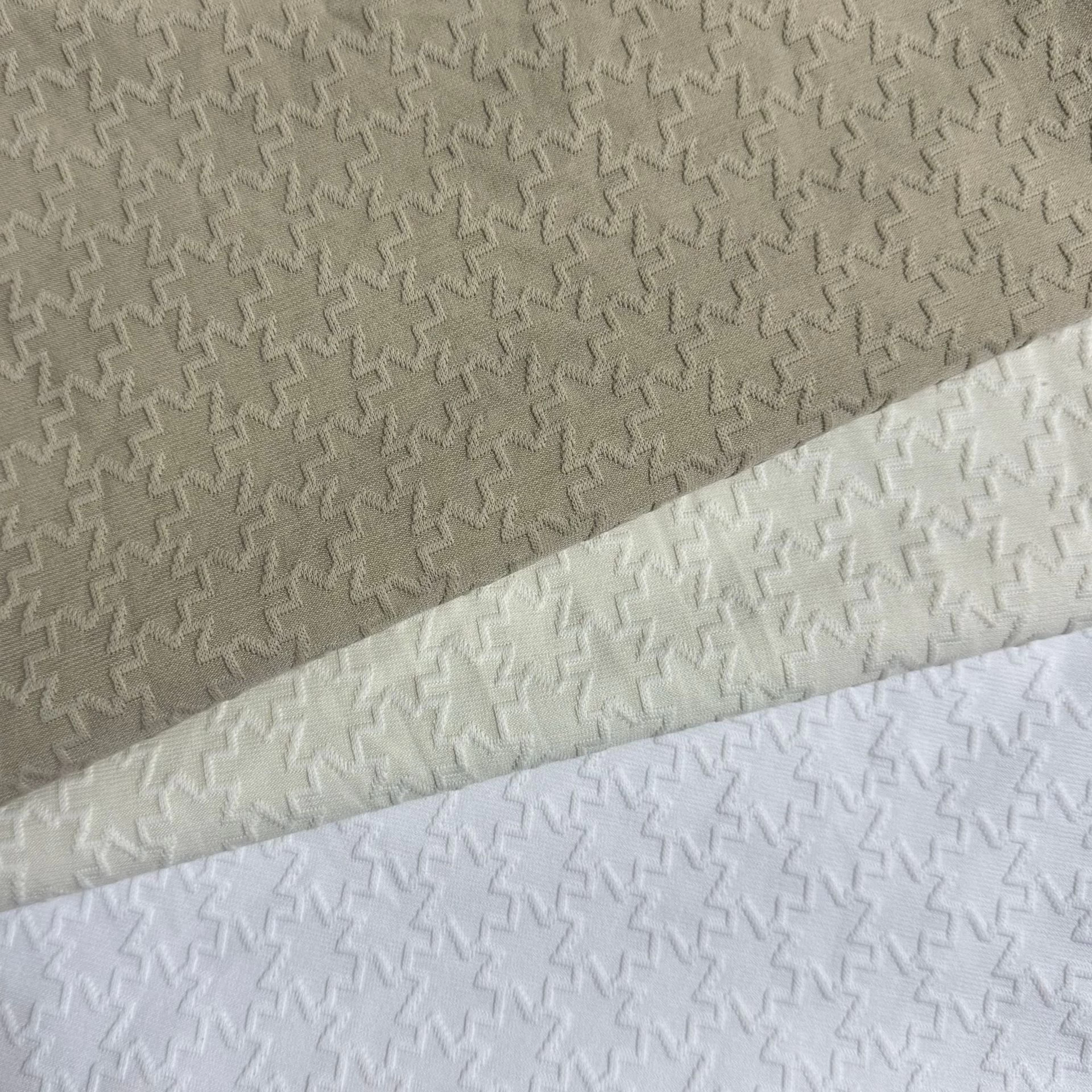
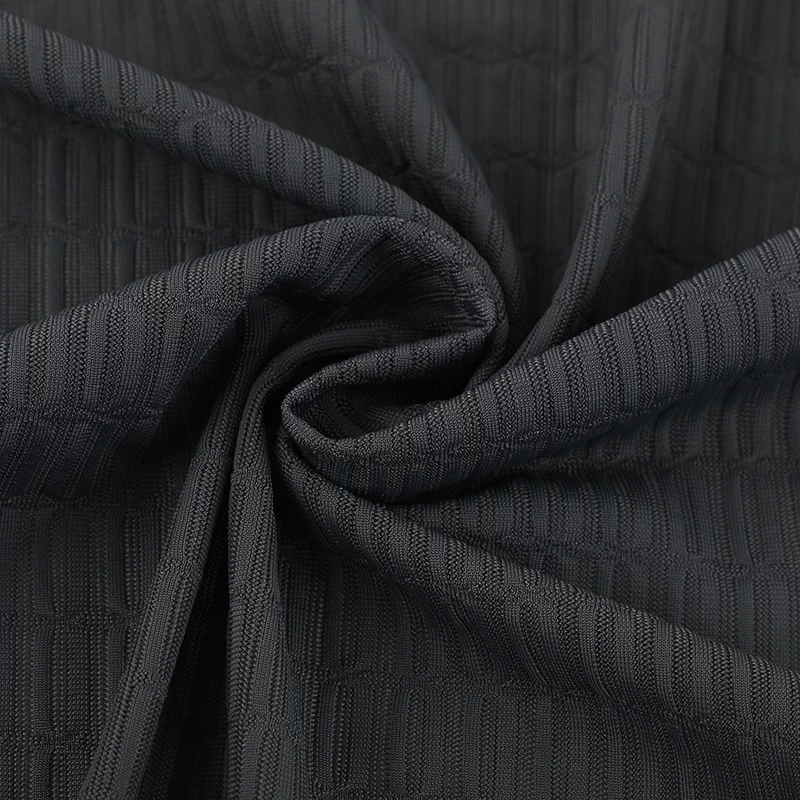
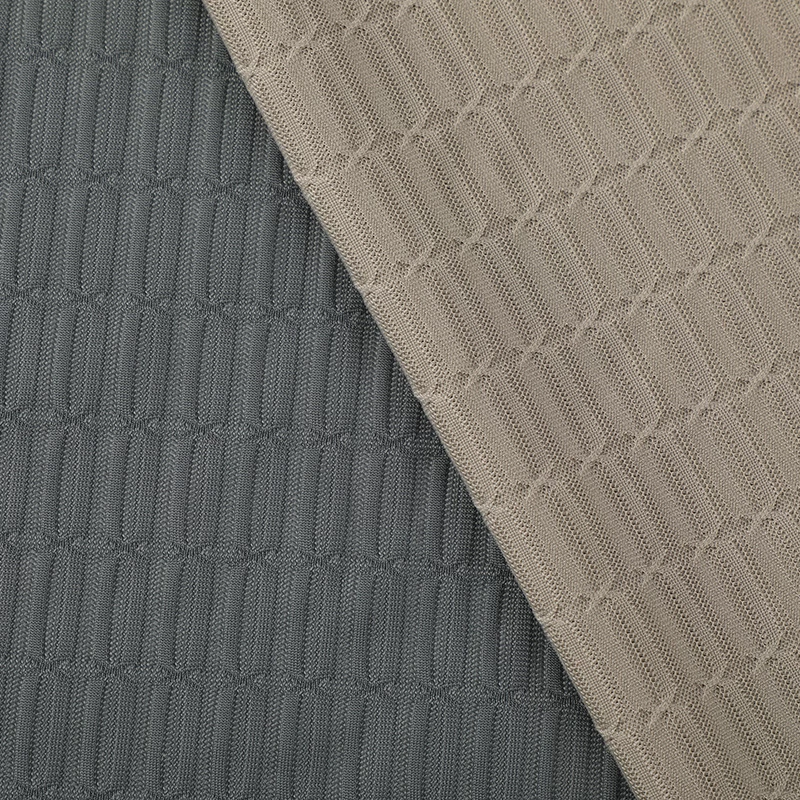
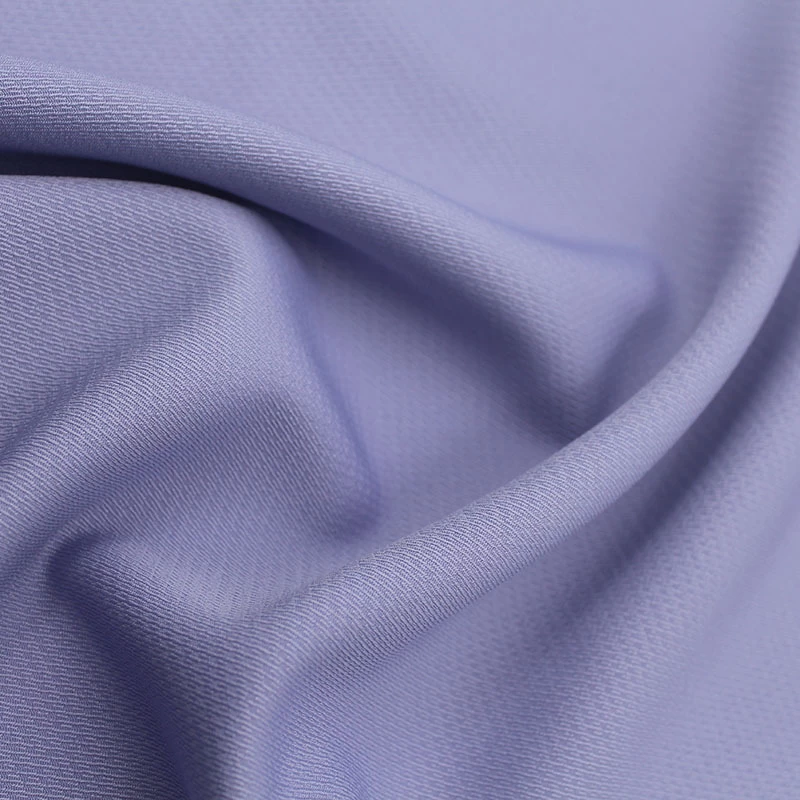
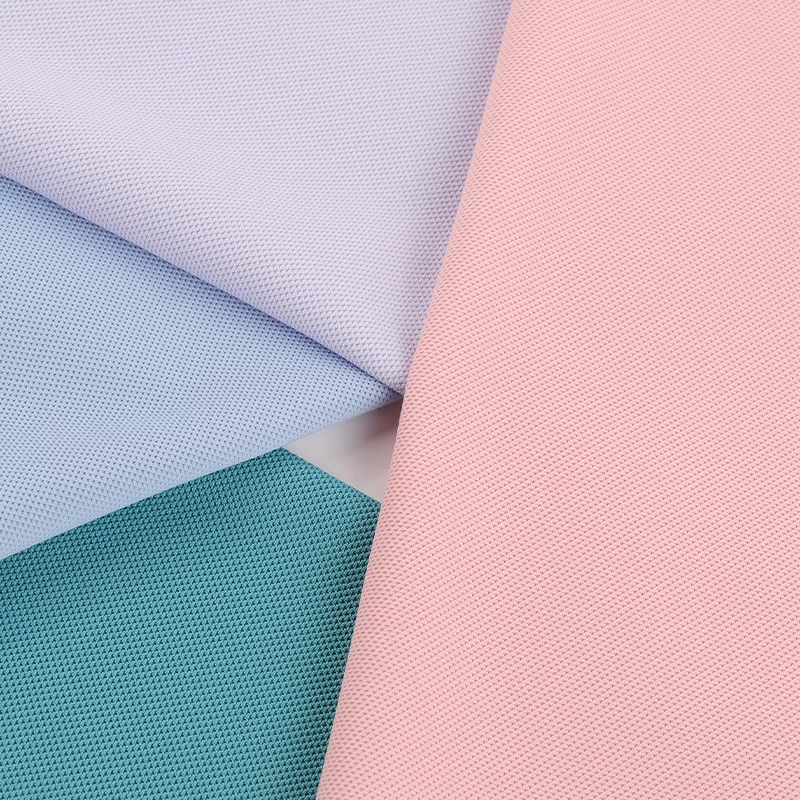
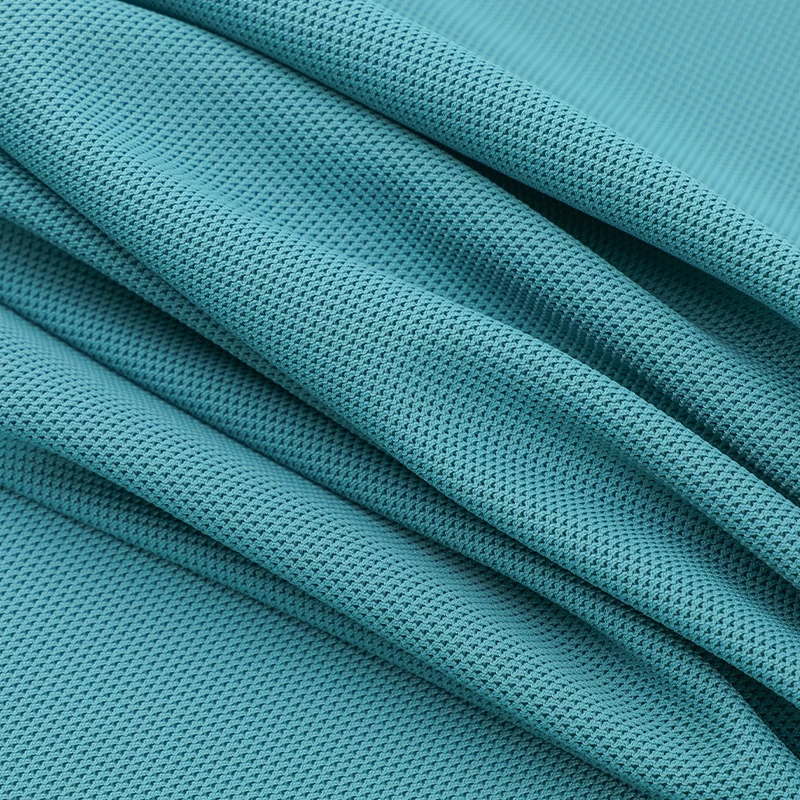
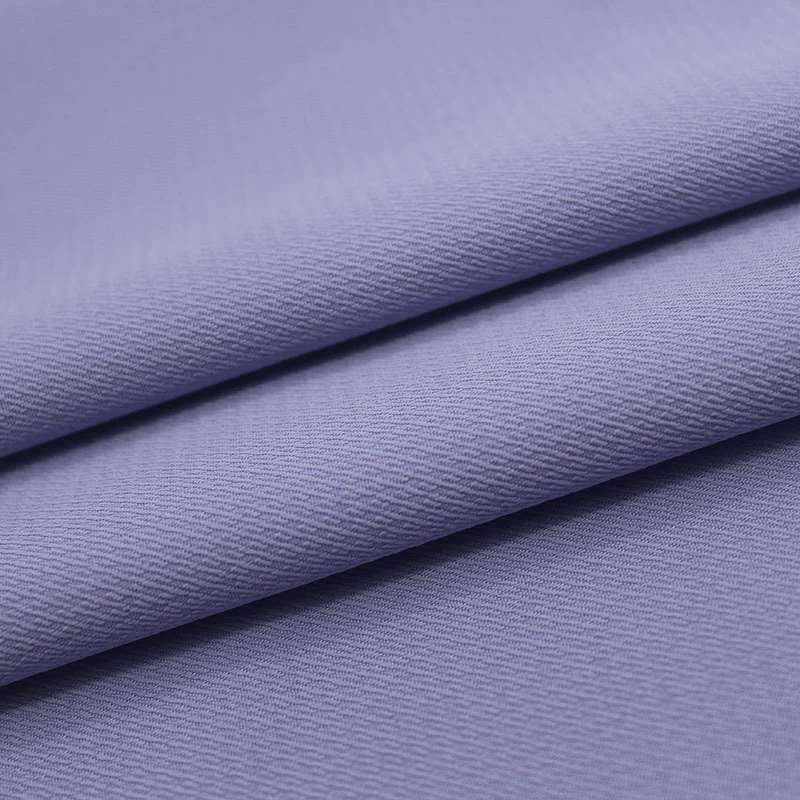
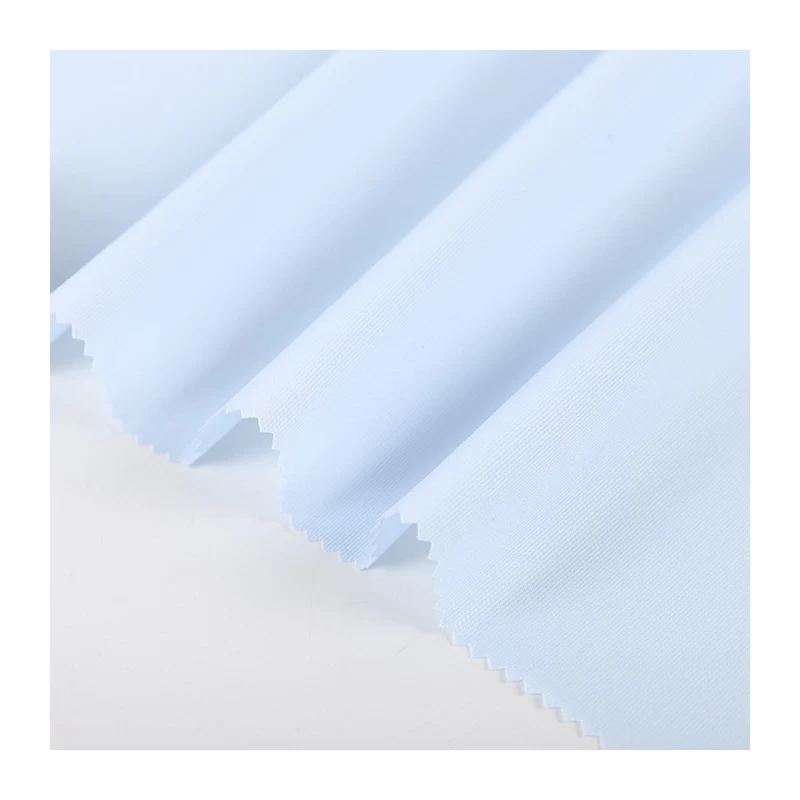
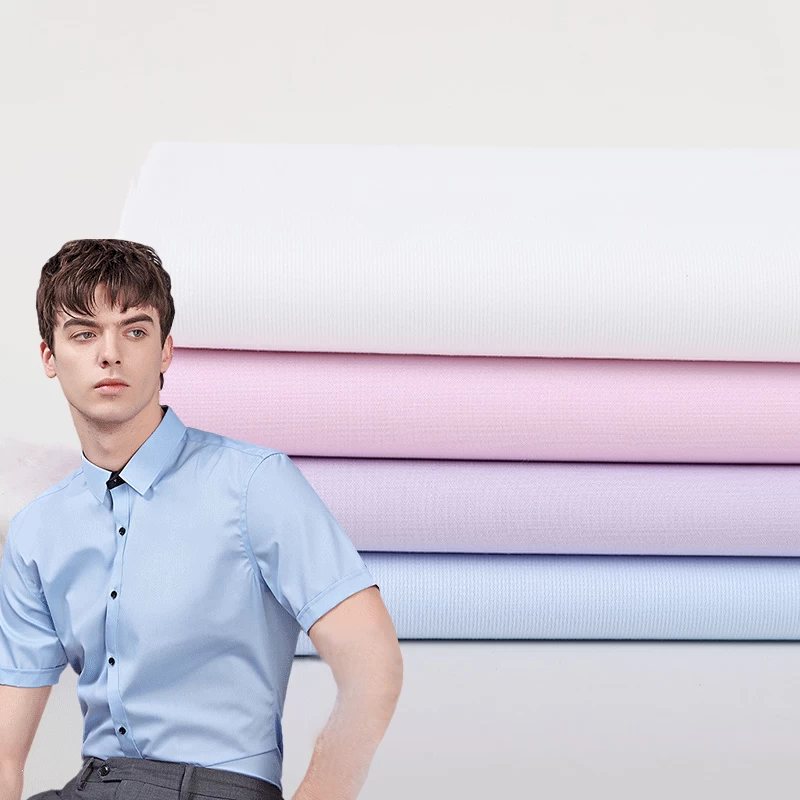
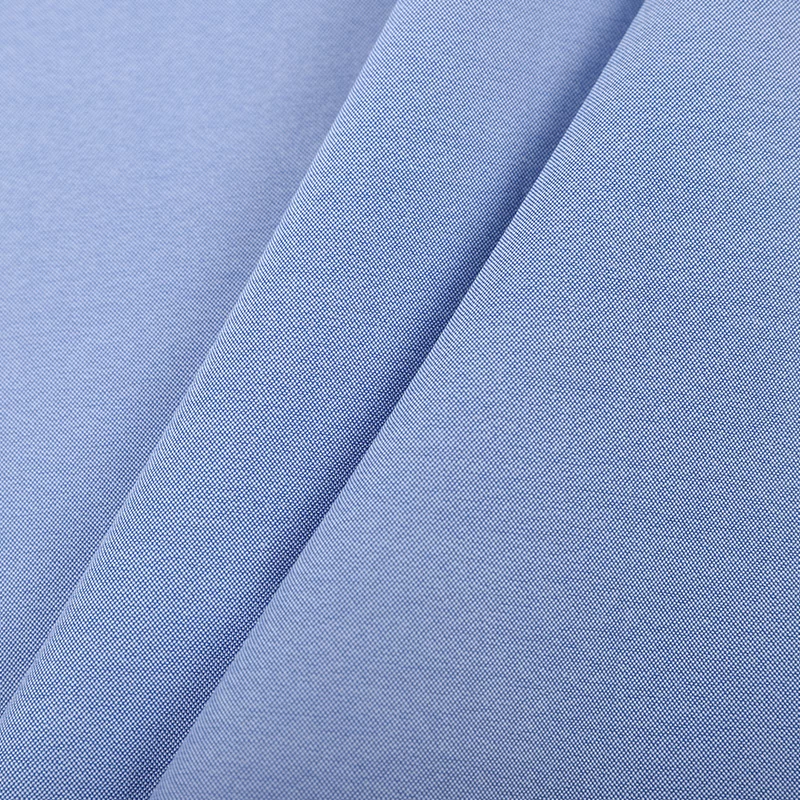
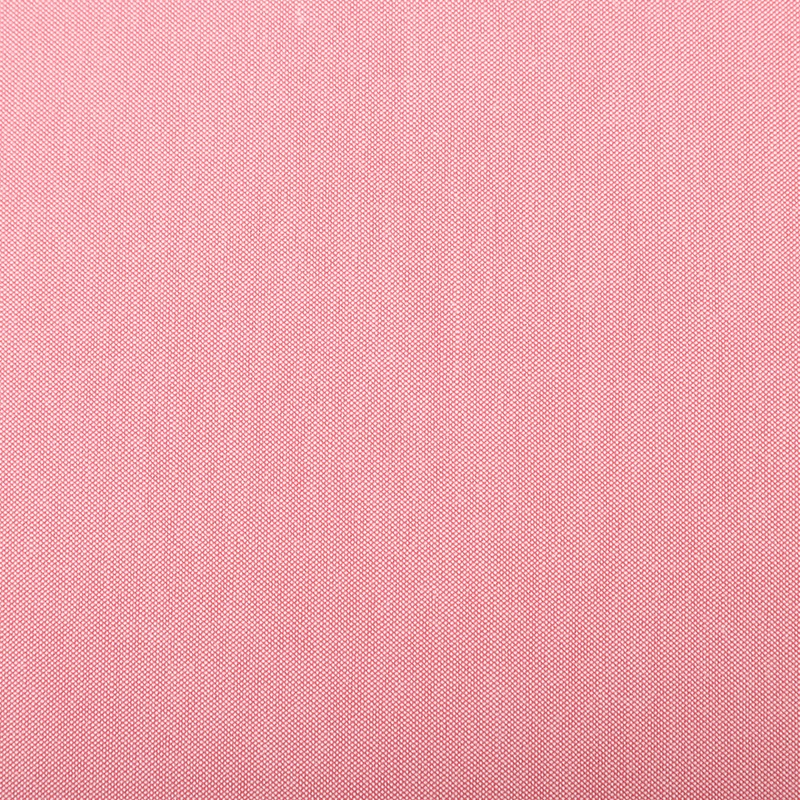
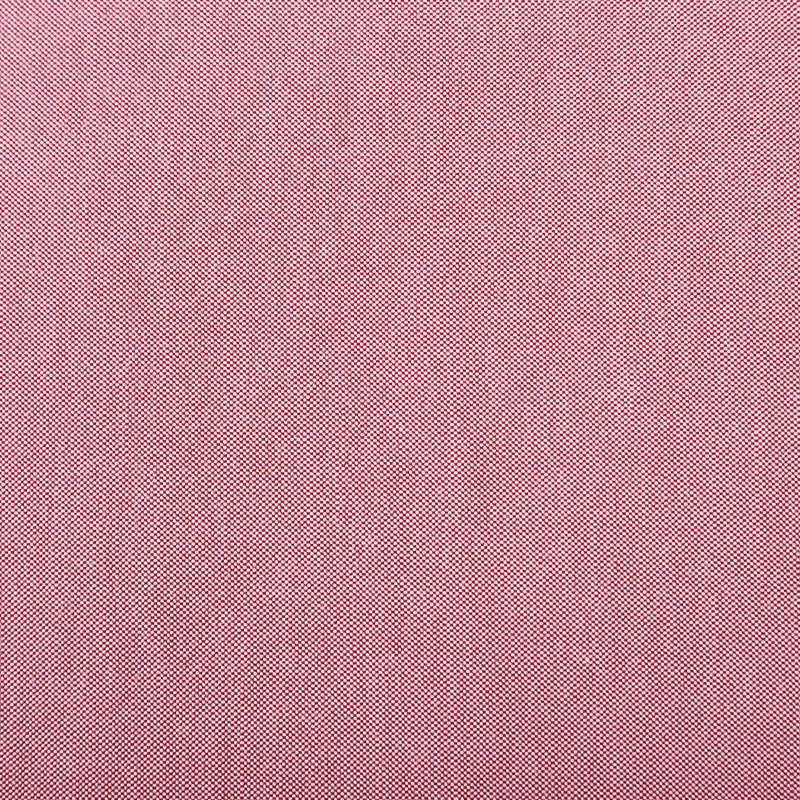
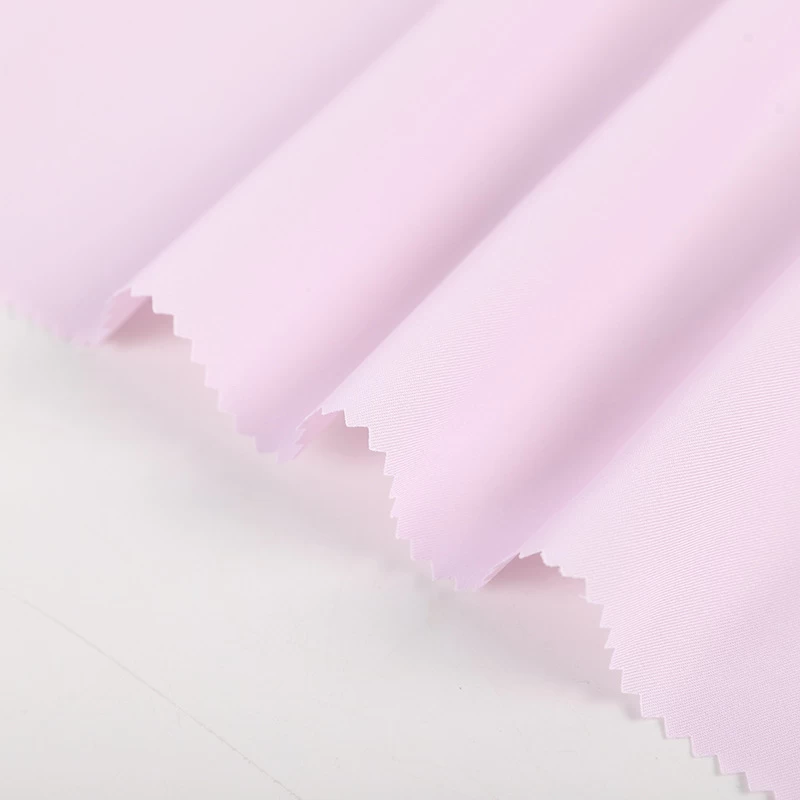
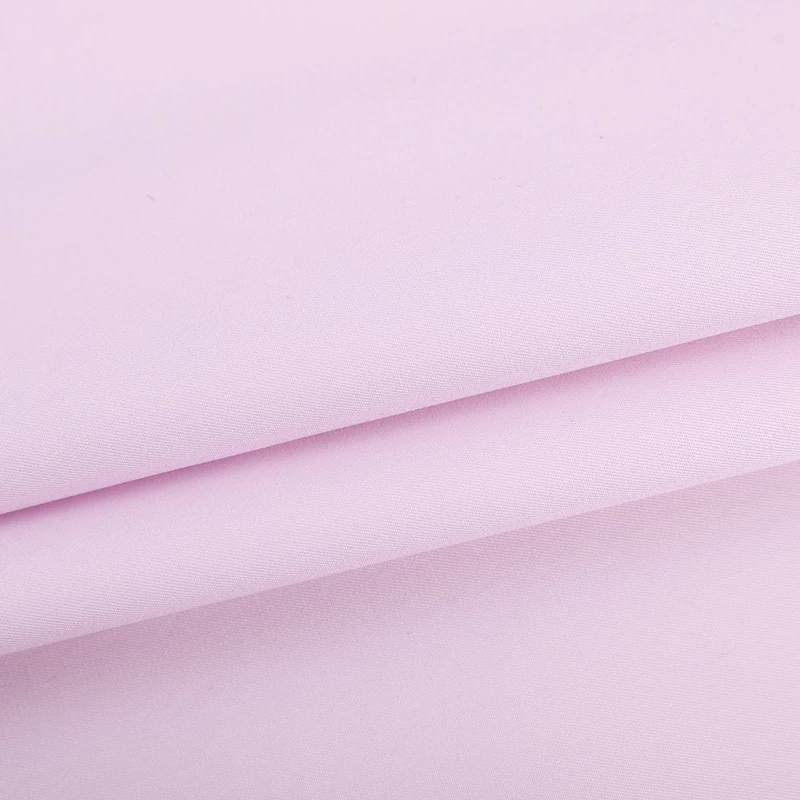
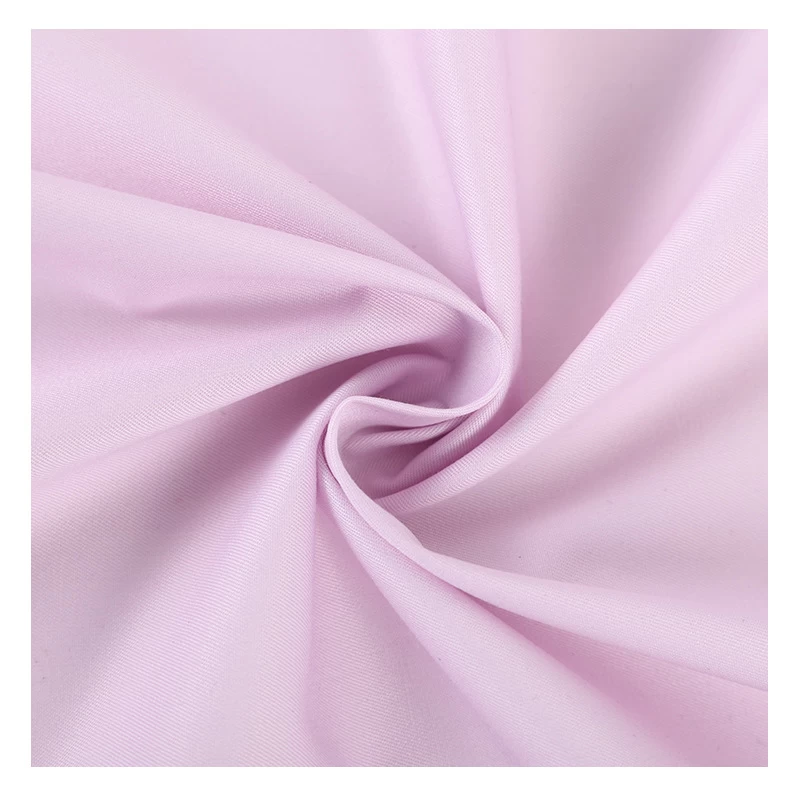
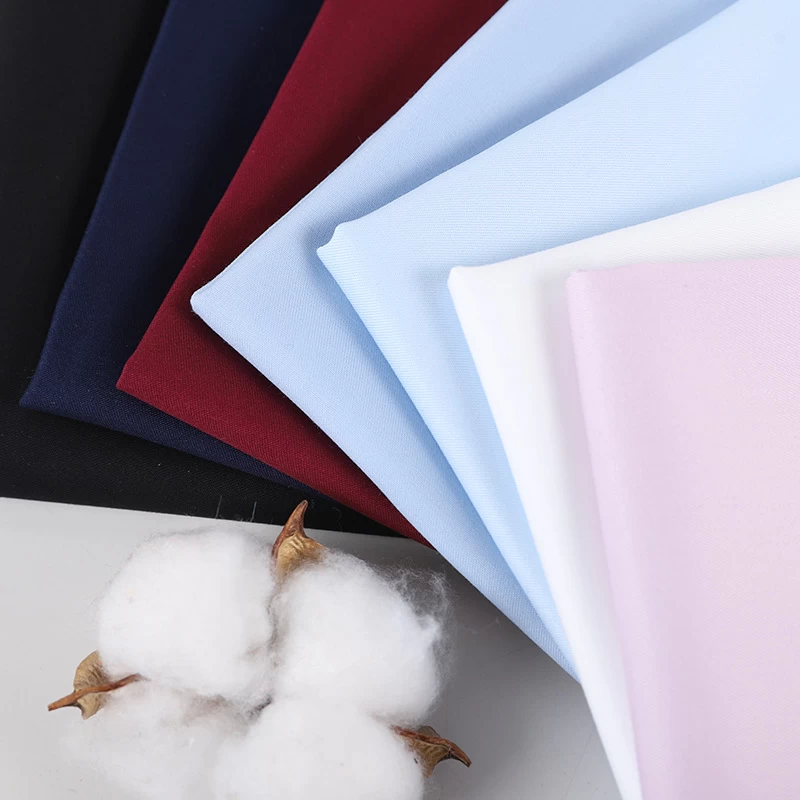
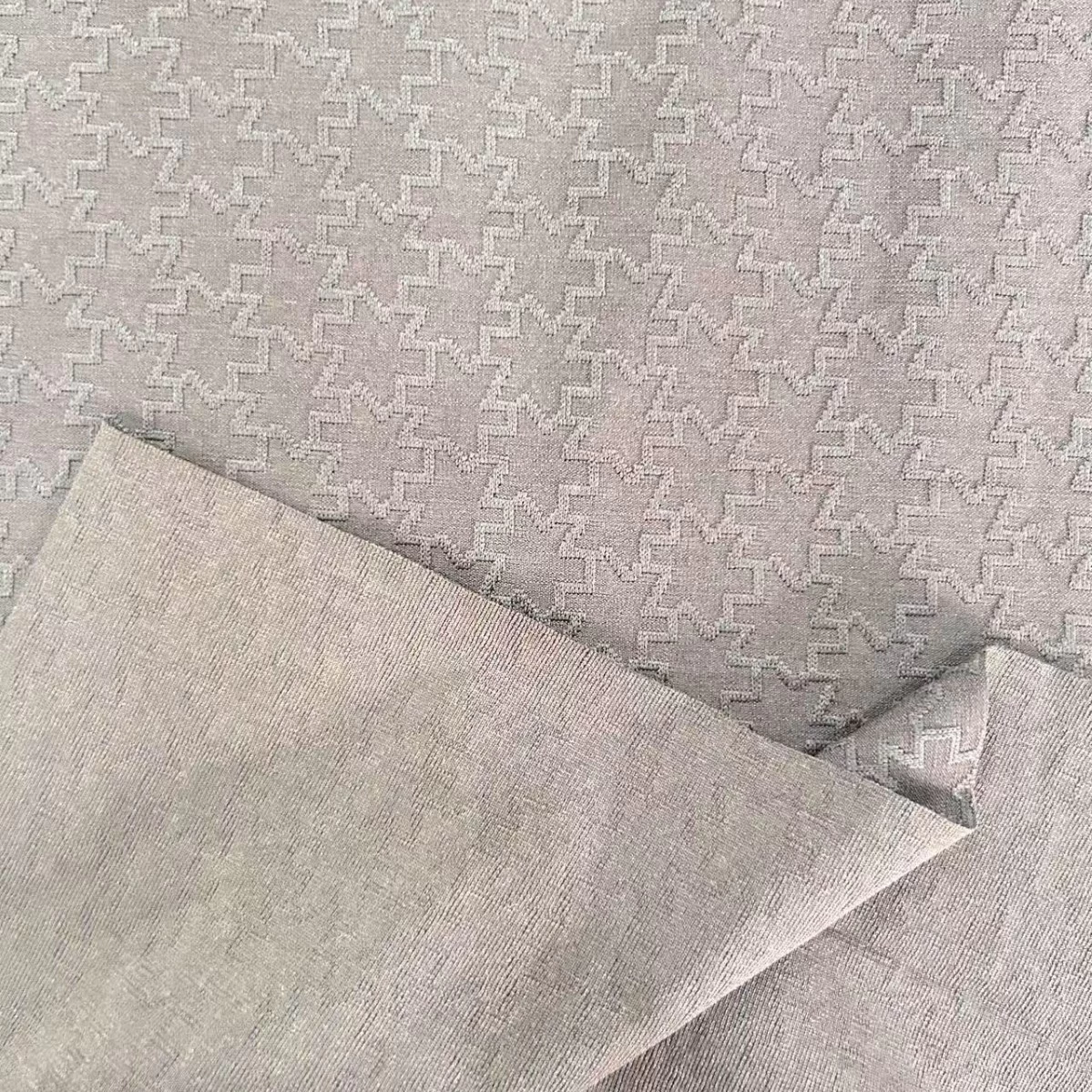
Fabric choice affects hand-feel, drape, seasonality, price and lead time simultaneously, and it sets your minimum order quantity because yarn and dyeing have their own minimums.
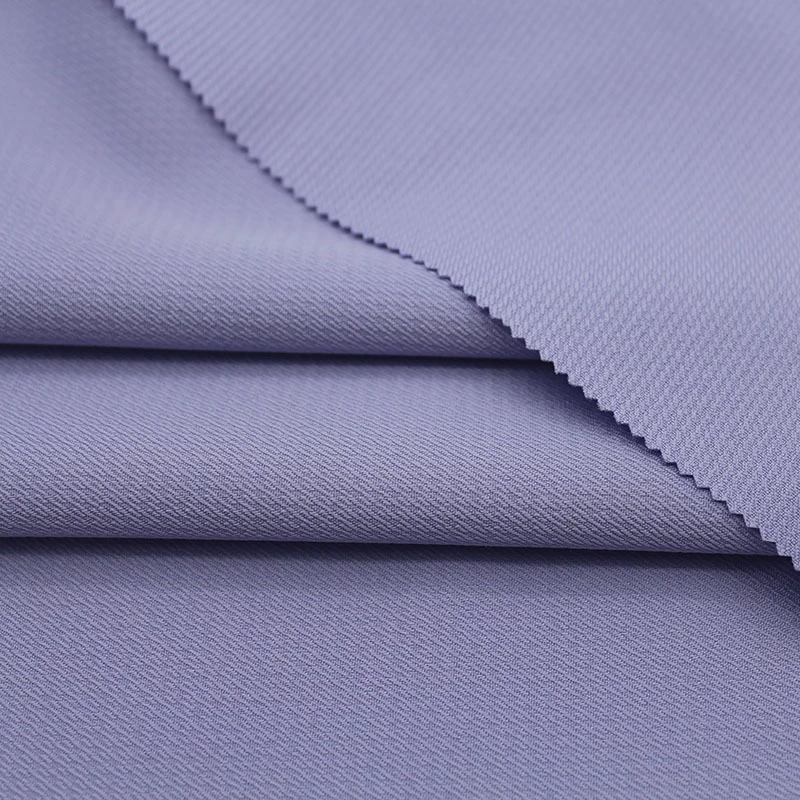
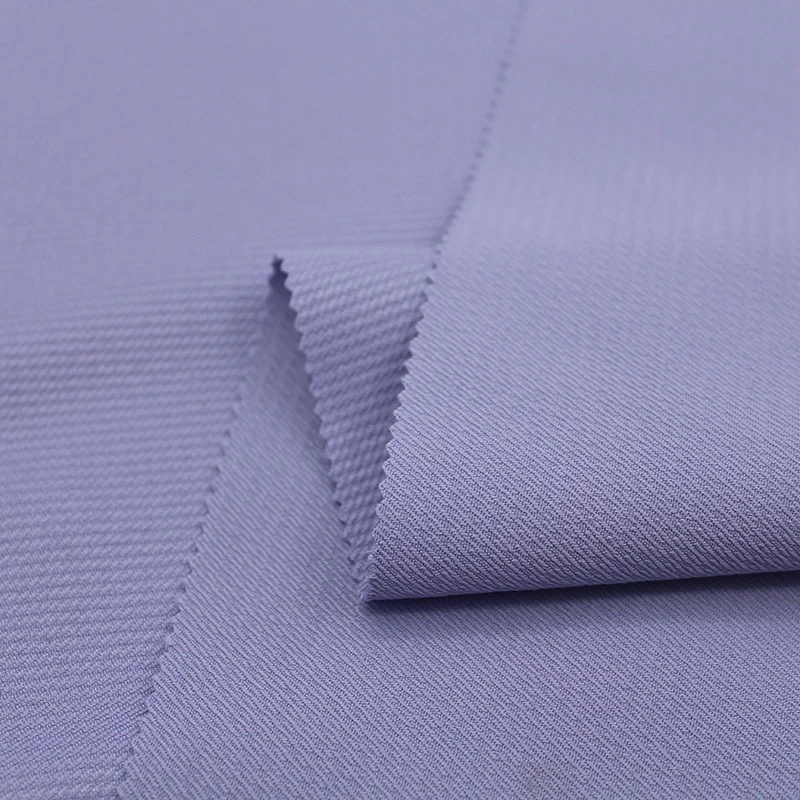
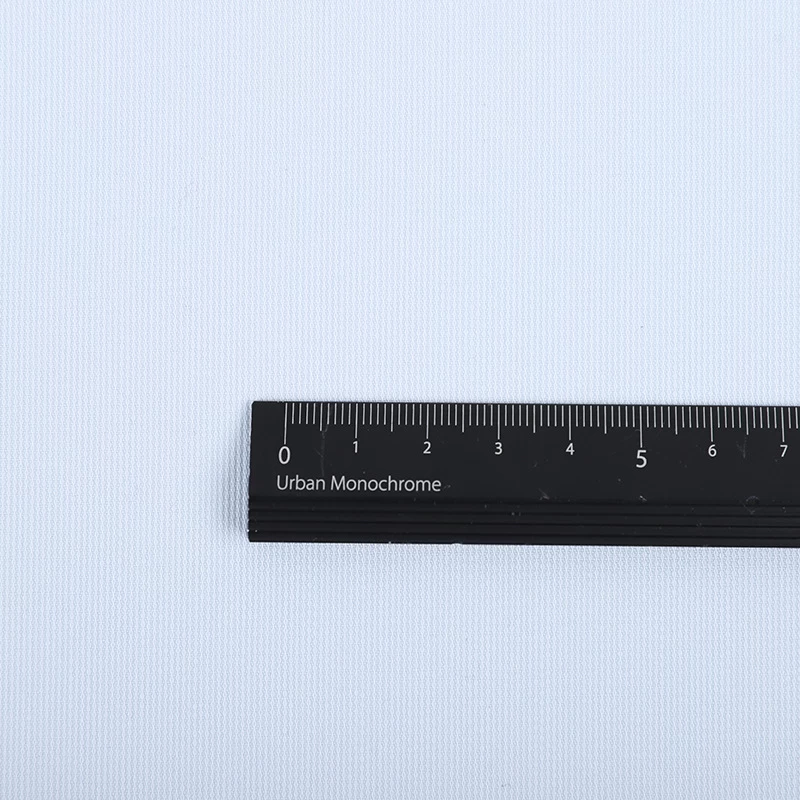
- Weight and construction: a lighter poplin reads crisp and formal; oxford is heavier, more textured and more forgiving; twill drapes with a subtle diagonal surface; a cavalry twill or toothpick stripe adds visible structure. Each is a different look and a different price point.
- Yarn count: higher counts generally mean a finer, smoother surface. An 80S poplin feels notably more refined than a coarser count, and is priced accordingly.
- Fibre: cotton is the default; bamboo blends reduce the cost of the softer hand-feel associated with finer cottons and are comfortable in warm climates.
Practical rule: if your order is small, choose from fabrics the factory already stocks. Custom-dyed or custom-spun fabric is entirely possible, but the mill minimum usually applies to the fabric order, not to your garment order, and it is often the real constraint on a small first run.
2. Collar and Cuff: The Highest-Return Customization
The collar and cuffs are the two places a customer looks at first and the two places where construction quality is most visible. If you have limited budget for customization, spend it here.
- Collar shape: cutaway, semi-spread, point, button-down. Each changes the formality and the shirt's character more than any other single element.
- Collar interlining: fused or unfused, softer or firmer. Under a jacket, a soft collar rolls; a firmer one stands. This is the detail that separates a premium shirt from a mid-market one, and it is invisible in a photograph.
- Cuff style: single or double (French), barrel with one or two buttons, convertible, or a rounded corner. Double cuffs imply cufflinks and a dressier use case.
Because collar and cuff changes are pattern-level rather than fabric-level, they generally carry a lower minimum than a fabric change and are the best candidates for customizing on a smaller order.
3. Placket, Yoke and Back Construction
These are the structural choices that change silhouette and comfort.
- Placket width: a narrower placket reads modern; a wider one reads traditional. Front placket or concealed placket changes the shirt's formality considerably.
- Yoke: a single yoke is the standard; a split yoke allows the fabric pattern to be matched symmetrically across the shoulders, which is a quiet marker of quality on striped and checked fabrics.
- Back detail: a plain back, a box pleat, or side pleats. Box pleats add room across the shoulders and give a more relaxed look; a plain back is cleaner and more fitted.
4. Trims: Buttons, Thread, Interlining
Trims are inexpensive individually and often overlooked, yet they are what a customer's fingers actually touch.
- Buttons: material (resin, shell, metal), colour, size, and count. Higher-count mother-of-pearl or shell buttons are a recognisable upgrade.
- Thread: colour-matched to the fabric or contrasted as a design feature, and specified by ticket number so the colour is reproducible across reorders.
- Interlining grades: fusing weight and stiffness for collar, cuffs and placket. Cheap interlining is the most common reason a shirt that looked fine in sampling fails after several washes.
5. Branding: Labels, Embroidery and Printing
This is where a generic garment becomes your product. Elements include woven or printed neck labels, care and composition labels, side seam labels, hangtags, and embroidery or printing if required.
Two practical notes:
- Label placement and content are often regulated by the destination market. Composition and care labelling in particular should be confirmed for the country you are selling into.
- Custom labels carry their own minimum, usually lower than a fabric minimum but not zero. If your order is very small, using the factory's standard care labels while customising only the neck label is a reasonable compromise.
6. Packaging and Presentation
Folding standard, polybag versus box, tissue, collar support, hangtag attachment, and carton marking all sit at the end of the line but matter for retail and for warehouse handling. Carton marking in particular should be specified early, since it affects how the goods can be packed and shipped.
7. How Sampling Works Around All of This
Sampling exists to convert this list of decisions into something you can hold. A workable sequence:
- Fix the non-negotiables first — fabric, collar shape, cuff style. These are the decisions that force pattern work.
- Sample the base size only. Do not attempt to validate the full size range in the first round.
- Evaluate in order: fit on a real body, measurement against spec, collar behaviour under a jacket, then a wash test.
- Approve the graded size set before bulk, as a separate sign-off from the base size.
Where a design can be shown in an existing construction — a different collar shape on a fabric already running, for instance — that can often be presented without a full sampling round, which shortens the path to a decision.
8. Matching Customization to Order Size
The realistic relationship between customization and order size is not a hard rule but a gradient:
- Small orders are best served by customising the elements that are pattern-level rather than material-level: collar, cuffs, placket, buttons, labels. Fabric comes from stock.
- Mid-size orders can absorb a custom fabric from the factory's development range, and typically a second sampling round.
- Larger orders can support fully custom fabric development, custom trims, and bespoke packaging, because the development cost is spread across enough units to be negligible per piece.
Trying to buy a fully custom fabric programme at a small order size is the single most common way a first order stalls — not because the factory cannot do it, but because the mill minimum makes it uneconomic.
9. Working With SEEWEED on Custom Shirt Orders
SEEWEED develops both woven shirts and knitwear in house, covering fabric development, pattern making, sampling and bulk production. For custom orders that means:
- Fabric selection across an existing development library, so small orders can start without a mill minimum.
- Collar, cuff, placket and trim customization handled at pattern level, which is where a smaller order can still achieve a distinctive look.
- Sampling and bulk production under one roof, so the approved sample and the shipped goods come from the same technical intent.
Conclusion
Customization is a menu, not a switch. Decide fabric first because it constrains everything else, then spend your remaining budget on the collar and cuffs where the customer's eye lands, then use trims, labelling and packaging to finish the story. Match the depth of customization to your order size, and budget two sampling rounds on a first programme.
Send us your reference shirt, the elements you want to change, and your target order quantity. We will tell you which options are practical at that volume, what the lead time looks like, and provide a quotation.