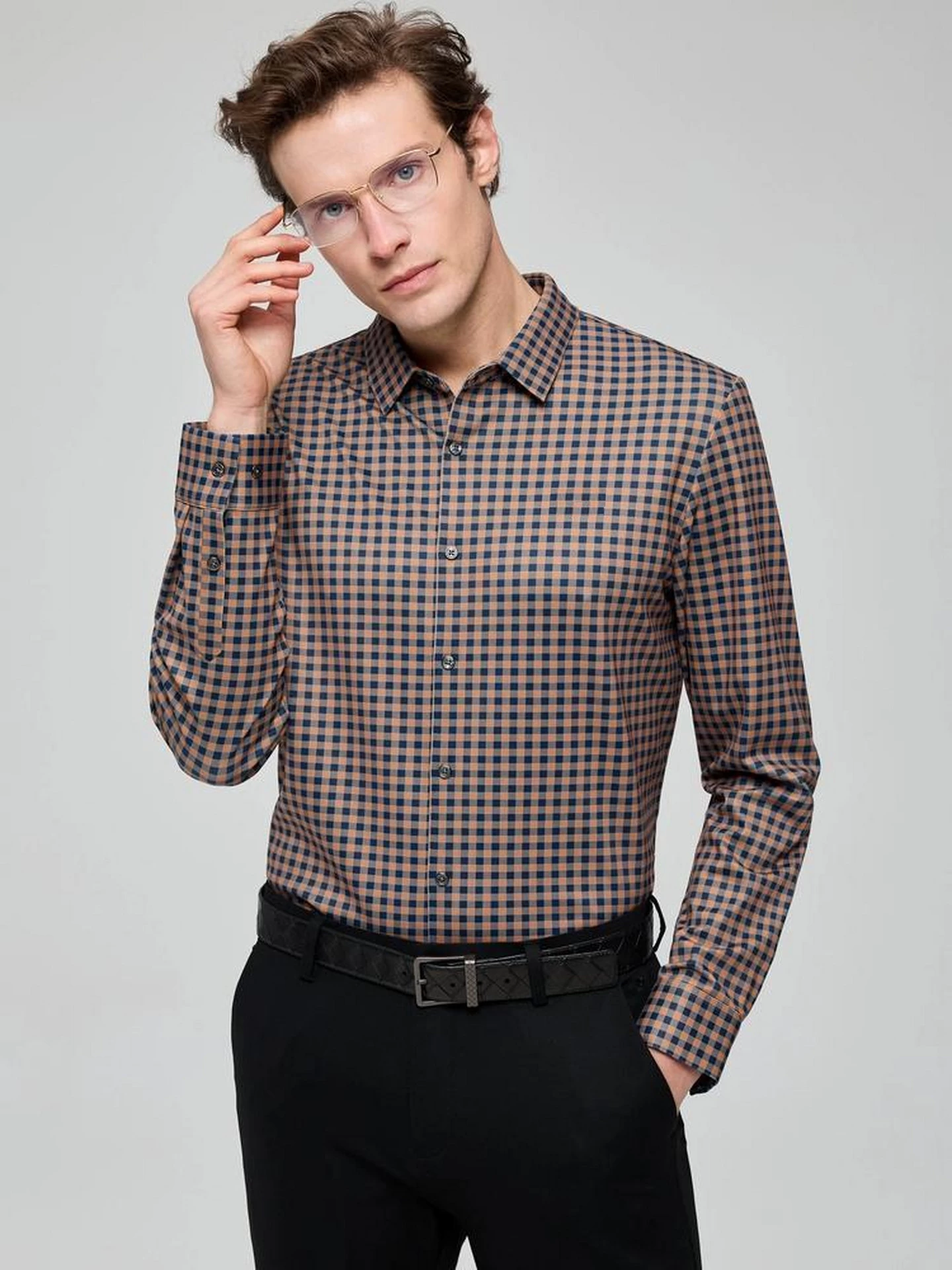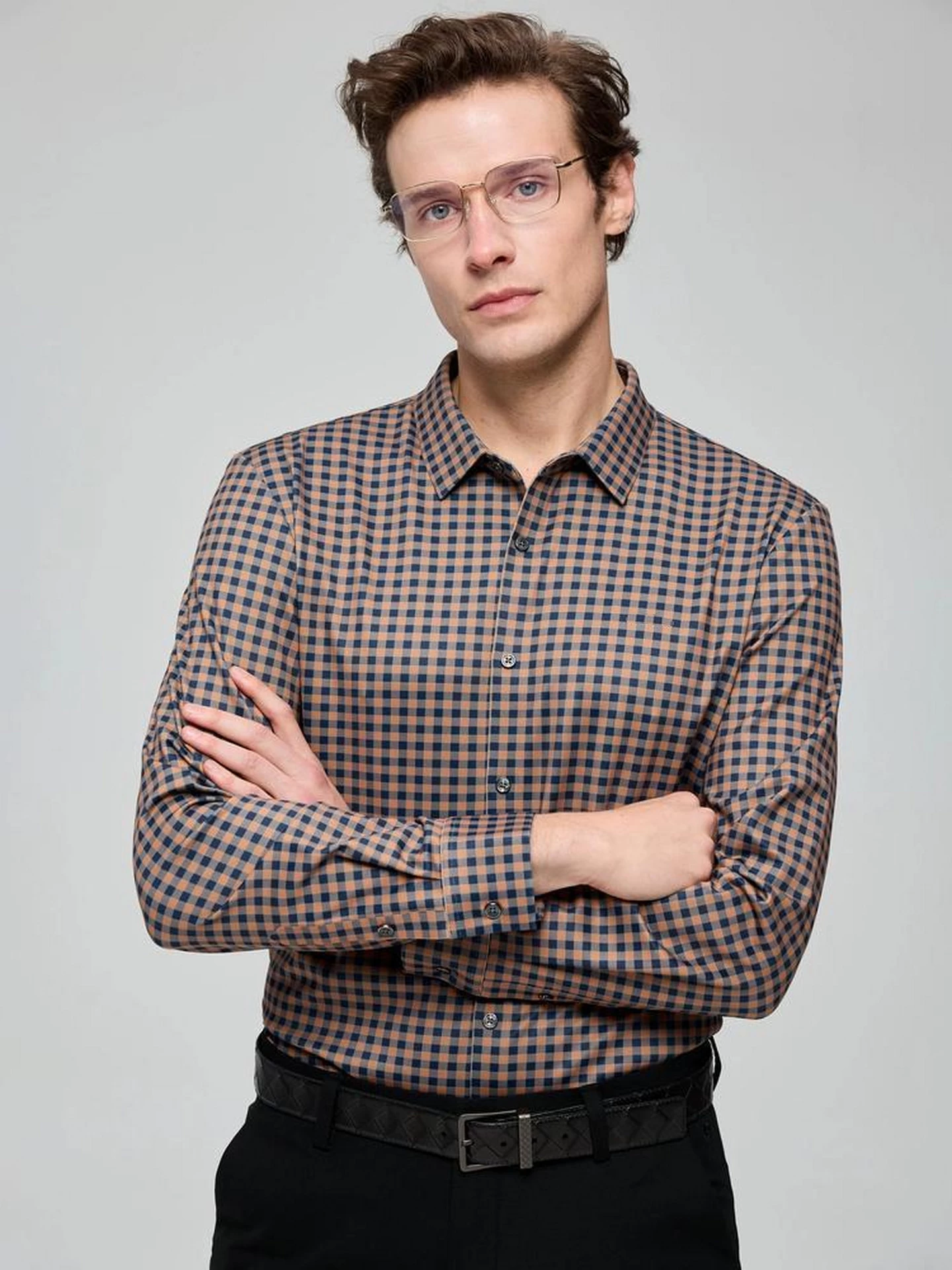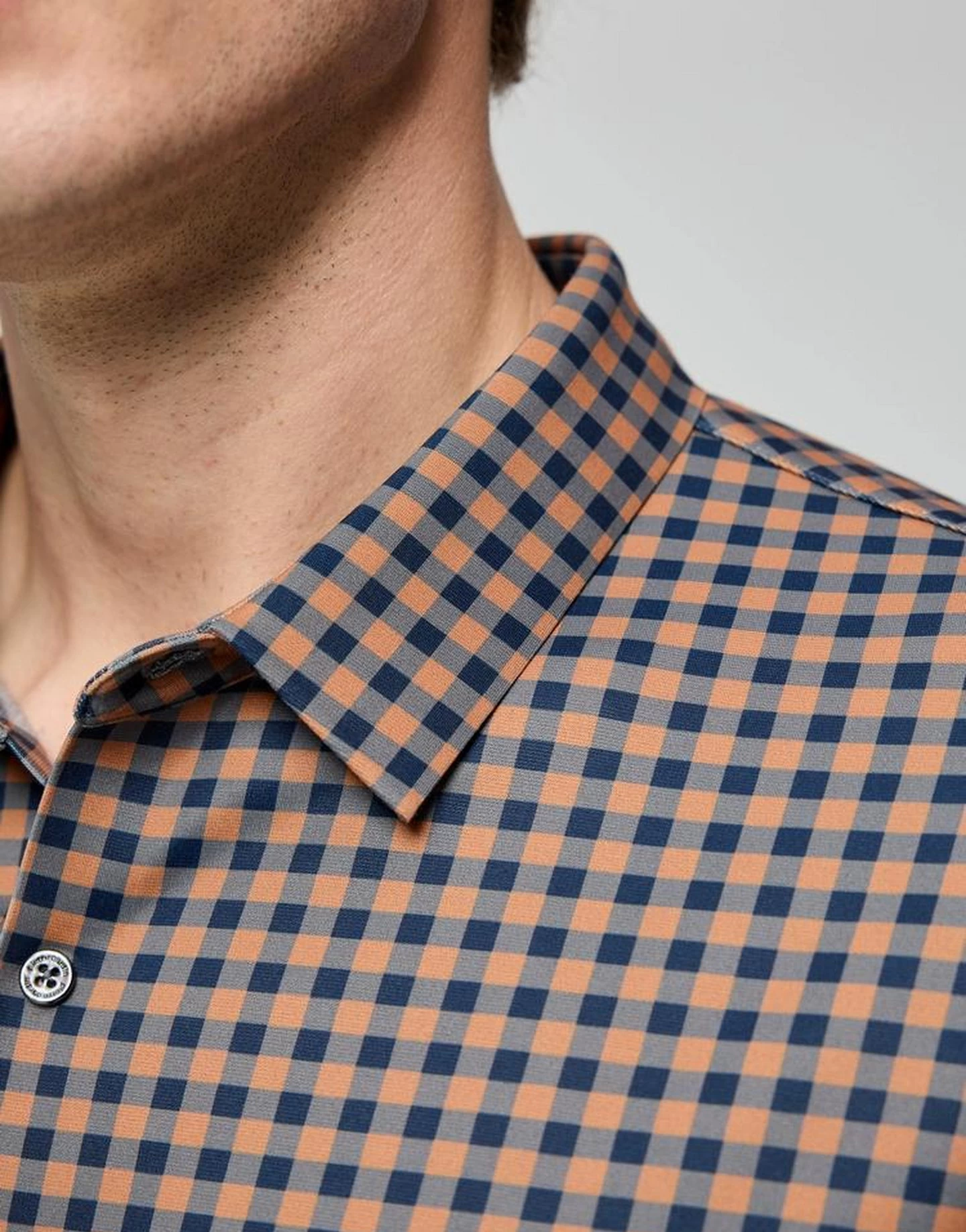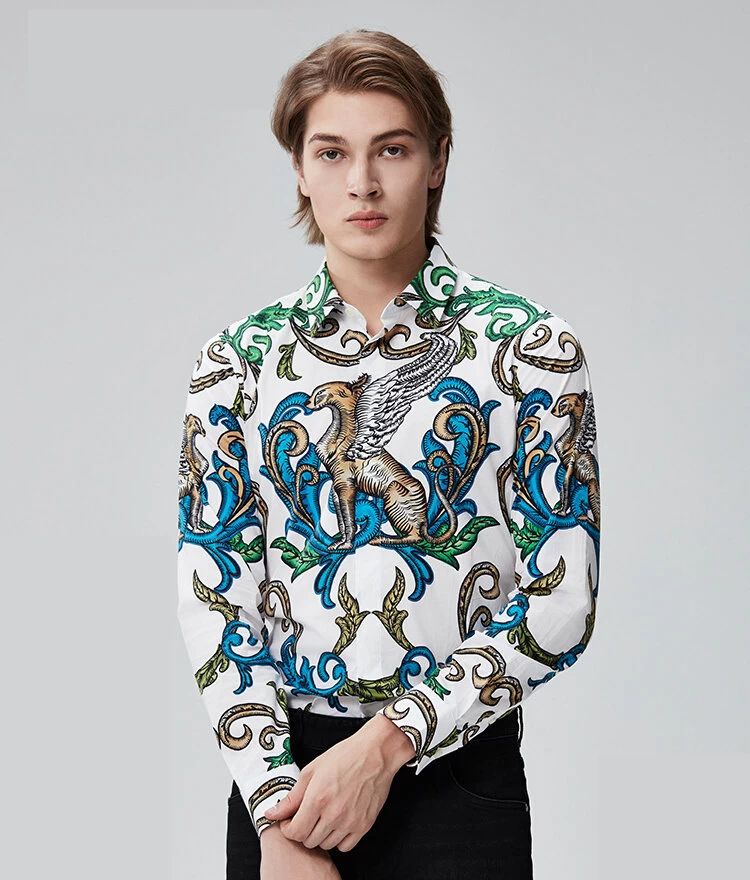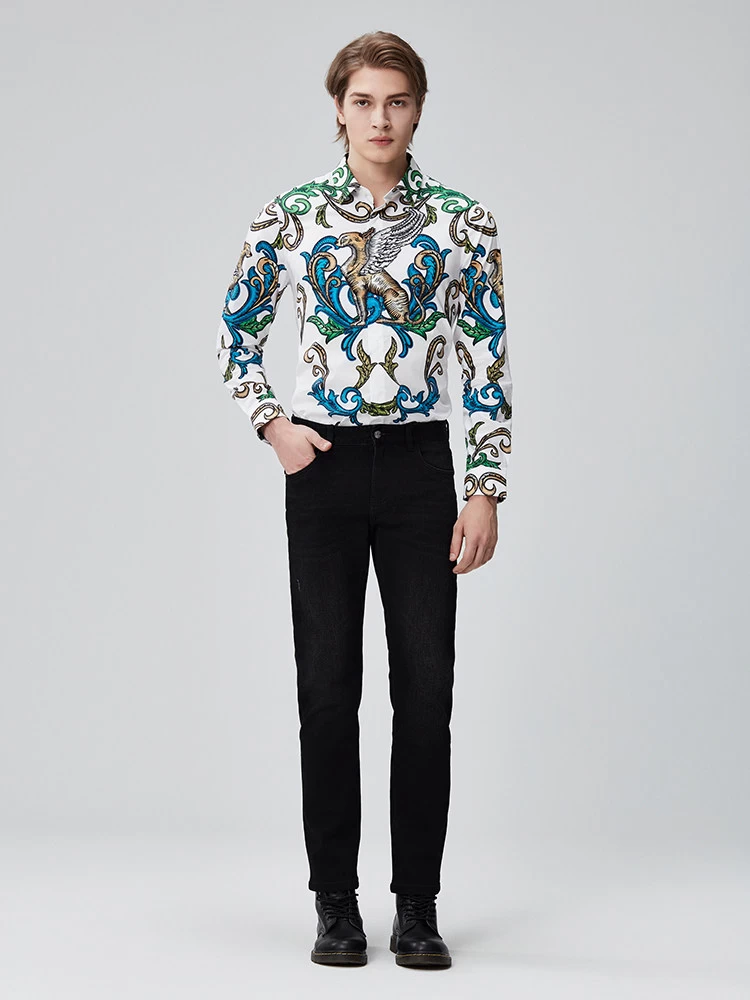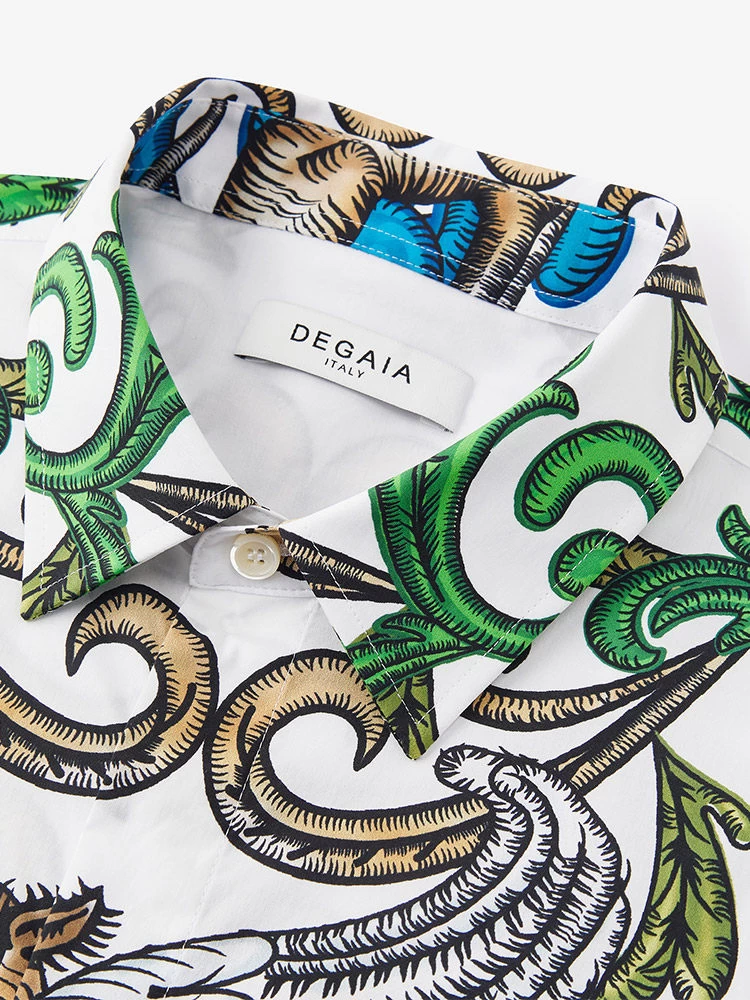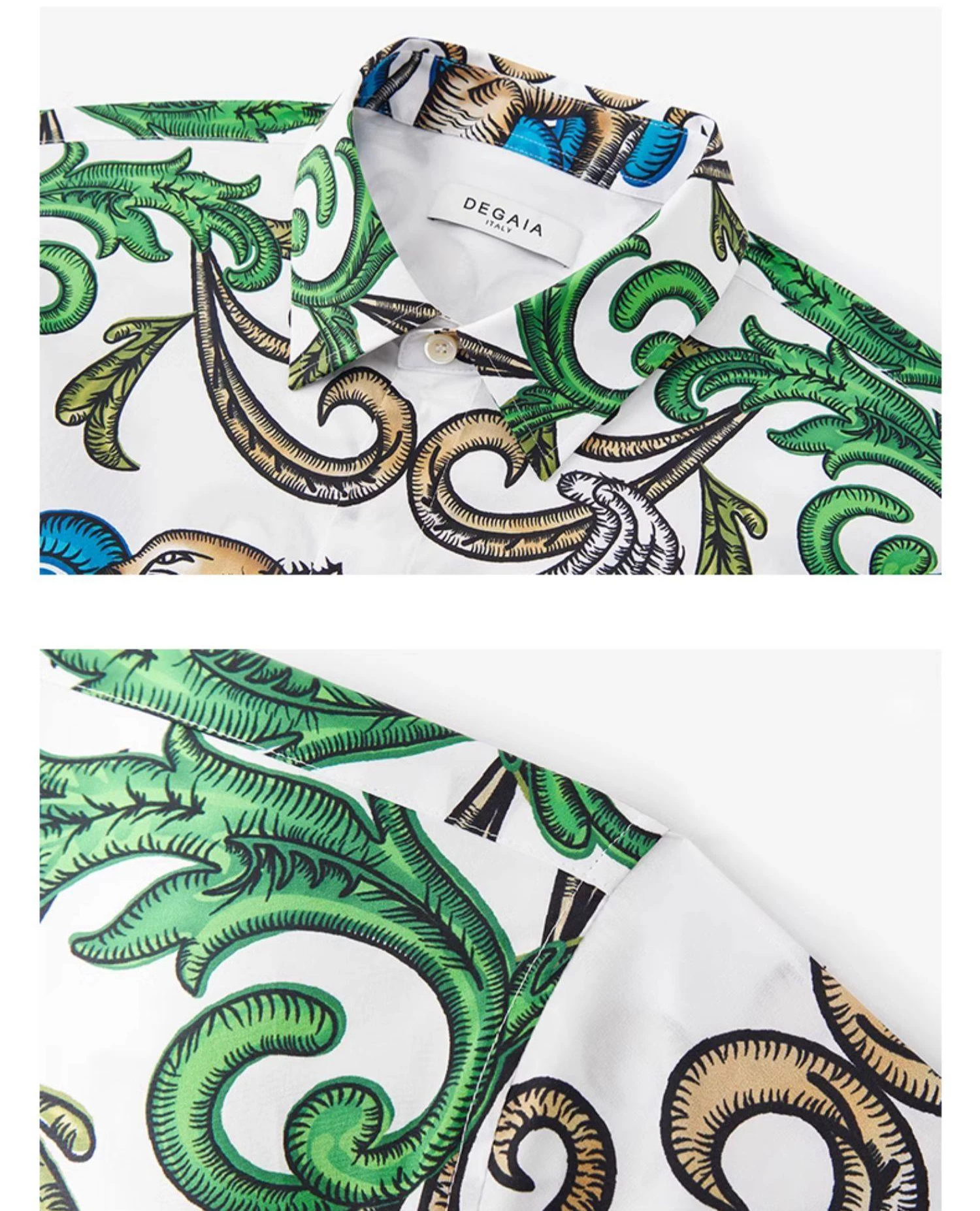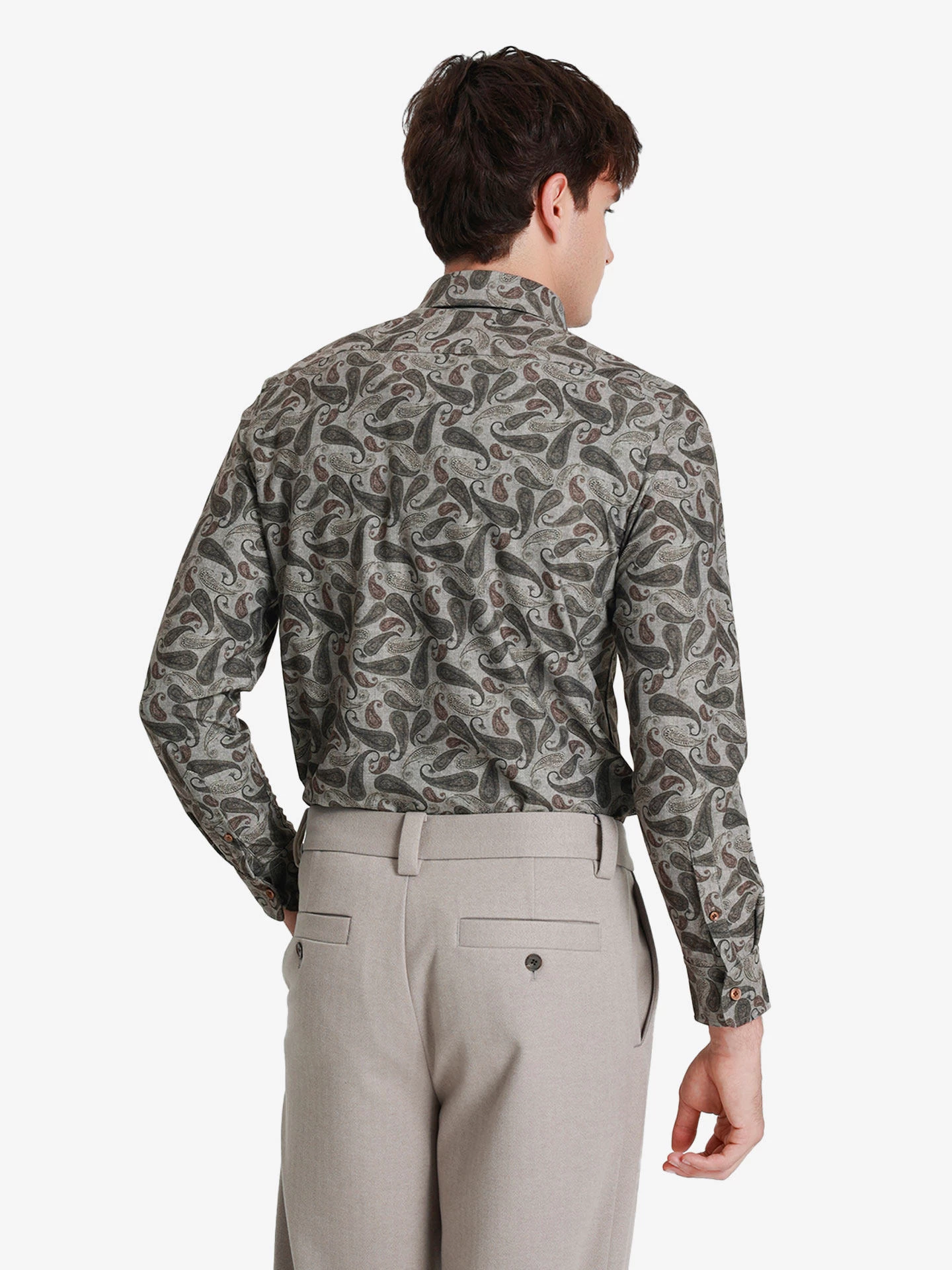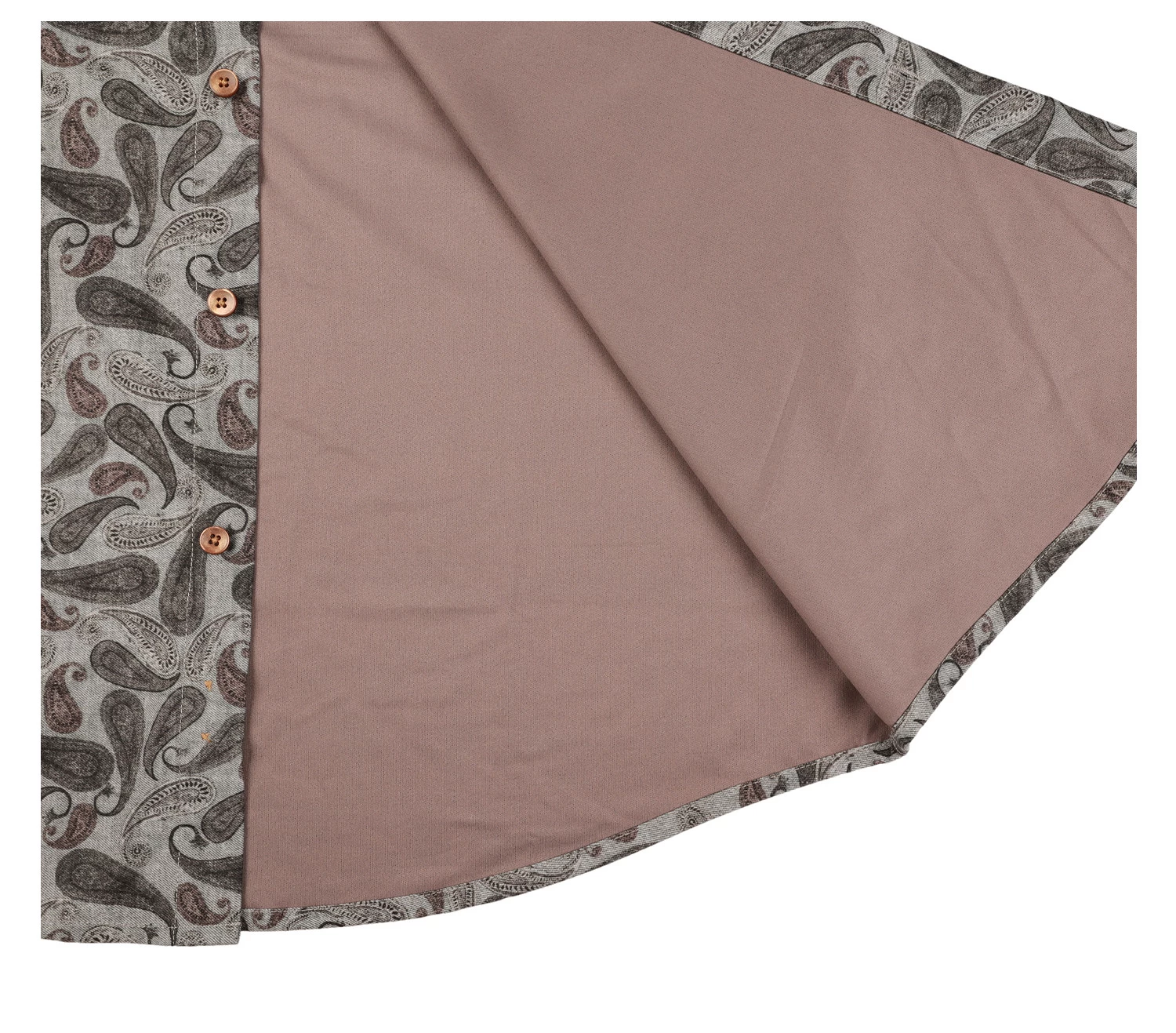
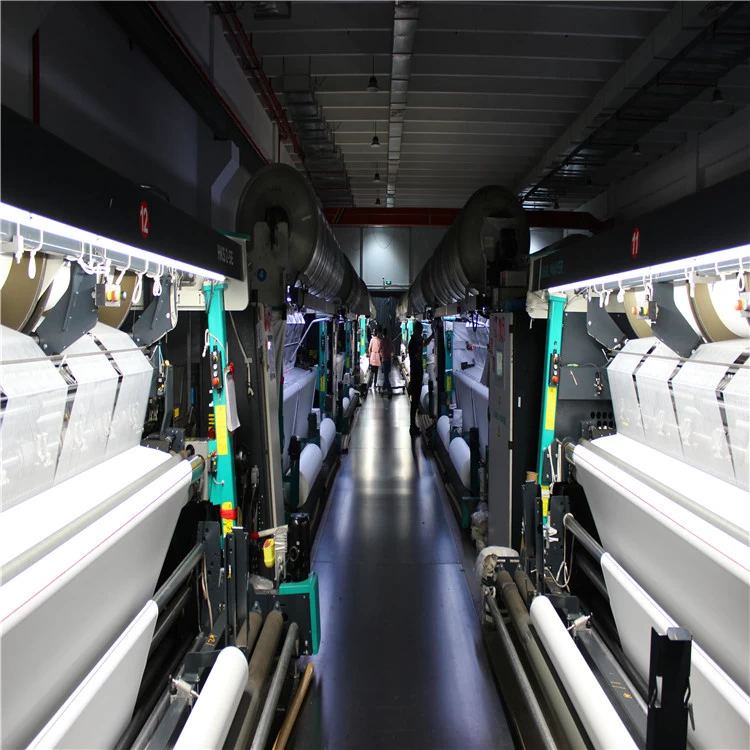
Ask five suppliers to explain the difference between OEM and ODM and you will get five different answers. For apparel buyers, the distinction is concrete and commercial: it determines who owns the design, who pays for development, how low your first order can go, and how quickly you can be selling.
Definitions That Actually Hold Up
OEM (Original Equipment Manufacturer) means you bring the design and the factory builds it. You own the patterns, the fit specification, the labels and the artwork. The factory contributes production capability, sourcing and quality control.
ODM (Original Design Manufacturer) means the factory brings the design and you brand it. The factory owns the patterns and fit blocks; you select from an existing range, apply your label, and go to market.
The confusion arises because most real-world projects sit somewhere between the two. A buyer may take an ODM body block but specify their own collar shape, buttons and print — that is often called "ODM plus customisation".
The Five Decision Variables
1. Who Owns the Design
Under OEM, the intellectual property is yours. Patterns, tech packs, grading rules and print artwork belong to you and should be contractually confirmed as such. Under ODM, the factory retains the design and can sell the same base garment to other customers.
If your brand promise depends on a distinctive fit or silhouette, OEM is the only safe route. If you compete on brand, marketing and price, ODM is entirely viable.
2. Development Cost and Time
OEM requires pattern making, fit sampling, grading across sizes and usually two or three sample rounds. Expect meaningful upfront development cost and several weeks before production approval. ODM skips most of this: you review an existing sample, request your label and packaging, and move to order.
3. Minimum Order Quantity
ODM ranges are built to be sold to many customers, so minimums per style and colour tend to be lower. OEM development is amortised over your order alone, which pushes minimums higher — particularly for custom fabric, custom dyeing or special trims.
4. Lead Time
ODM lead time is dominated by production scheduling. OEM lead time includes development, so add sampling rounds on top. A realistic planning gap between the two models is several weeks, widening to a full season if custom fabric must be woven and dyed.
5. Unit Cost at Scale
Counter-intuitively, ODM is often cheaper at low volume while OEM is cheaper at high volume. ODM spreads design cost across many buyers; OEM removes the factory's design margin but requires you to fund development. The crossover point depends on your volumes and how much the factory values the design work.
Comparison at a Glance
| Factor | OEM | ODM |
|---|---|---|
| Design ownership | Buyer | Factory |
| Development cost | Buyer funds | Included in unit price |
| Sampling rounds | 2–3 typical | 1 typical |
| Minimum order | Higher | Lower |
| Time to first sale | Longer | Shorter |
| Exclusivity | Full, if contracted | Shared base design |
| Best fit | Established brands, distinct fit | New brands, fast launch |
Which Model Suits Your Stage?
Pre-launch or first collection. ODM. Validate fit, sizing and market response with an existing block before spending on development. You will learn more from 200 units sold than from 20 tech packs written.
Growing brand with a clear aesthetic. ODM base plus targeted OEM elements — your collar, your print, your label. This keeps cost and lead time down while building visual differentiation.
Established brand with repeat volume. Full OEM. Own the fit, own the patterns, and lock exclusivity. The development investment is recovered across repeat orders.
What to Nail Down in Either Contract
- Pattern ownership — state explicitly who owns patterns, tech packs and grading rules, and what happens to them if the relationship ends.
- Sample approval protocol — define which sample is the reference standard, and keep a signed, sealed counter-sample for both parties.
- Tolerance ranges — specify acceptable measurement tolerances per point of measure. "As approved sample" is not a specification.
- Fabric substitution clause — require written approval before any substitution, including a same-mill equivalent.
- Defect rate and remedies — agree an AQL level and the remedy for exceeding it (rework, credit or replacement).
- Exclusivity — for OEM, confirm the design will not be sold to others; for ODM, confirm which elements are exclusive to you.
Red Flags When Vetting a Manufacturer
- Cannot explain the difference between the two models clearly — usually means an agent rather than a factory.
- Refuses to name the mill or fabric mill references.
- Quotes a lead time that ignores Chinese New Year, Ramadan or peak-season capacity.
- Sends a sample with no specification sheet attached.
- Will not permit a third-party inspection before shipment.
Frequently Asked Questions
Can I mix OEM and ODM in one order?
Yes, and most growing brands do. Order an ODM base for volume colours while developing an OEM style for your flagship line.
Do I need to own the pattern to protect my design?
Pattern ownership is the strongest protection in apparel. Without it, you rely on trademark and design registration, which are slower and narrower in scope.
How many samples should I expect in an OEM project?
Two to three rounds is normal: proto sample for fit, size set for grading, and pre-production sample for final approval. Complex constructions may need more.
Is ODM lower quality?
Not inherently. Quality depends on the factory's construction standards, fabric selection and quality control, not on who drew the pattern.
Next Step
Tell us whether you need an existing block with your branding or a fully developed exclusive style, plus your target market and first-order volume. We will advise which model fits and return a development timeline with indicative costs for each route.